2026.07.18
Eyes on the large model
Turning toward the large model and the road to serial production in 2030.
Read →
Updates from the Flyka program — engineering milestones, market signals and company news.
Turning toward the large model and the road to serial production in 2030.
Read →Pre-production flight hours climb — redundancy holds up under real use.
Read →Assembling the traceable evidence a certification path is built from.
Read →A structured flight-test campaign begins on the pre-production aircraft.
Read →Pre-production builds validate the bill of materials and the path to ~$16/flight-hour.
Read →The pilot assembly line comes online — common parts, roughly 20x cheaper than aviation-grade.
Read →Fold, ship and set up by one operator without tools — designed for the real world.
Read →The pre-production design is frozen — footprint, payload and flight cost all validated.
Read →Tracking reliability with real numbers — component life, failure rates, redundancy saves.
Read →Flying in wind and rougher conditions — gust rejection holds with margin to spare.
Read →Refined cruise-thrust scheduling stretches range at 110 km/h.
Read →Endurance testing pushes real-world flight time toward the 30-minute target.
Read →A reworked charging system trims turnaround time without stressing the cells.
Read →Payload flights toward the 165 kg design figure — the cluster spreads the load smoothly.
Read →Longer, more ambitious untethered flights — the aircraft behaves as it did on the tether.
Read →The tether comes off — Flyka's full-scale prototype makes its first free, autonomous flight.
Read →A hardened, redundant ground link with graceful fallback for unmanned operation.
Read →The tethered flight envelope widens — faster maneuvers, translation, repositioning.
Read →In-flight fault injection: units knocked offline mid-maneuver, and Flyka flies on unshaken.
Read →Autonomous takeoff, hold, reposition and landing — drilled until every touchdown is gentle.
Read →The autonomy stack now holds position and altitude on its own — the aircraft starts to fly itself.
Read →Redundant IMUs with voting mean no single sensor can mislead the flight controller.
Read →Hover tuning — gust rejection and attitude hold — gives a calm, predictable platform.
Read →All 22 units lift the full-scale aircraft into its first controlled, tethered hover.
Read →The folding mechanism takes Flyka from 5.4 m deployed to a 3.3 m footprint, repeatably.
Read →The full-scale airframe passes structural load testing beyond expected flight loads.
Read →Per-unit real-time telemetry — temperature, current, RPM, sync — so drift is caught early.
Read →Cruise-draw and thrust tuning lift projected range; the cluster runs cool and even.
Read →Leaner, cooler regulator boards from common parts — now burn-in tested before install.
Read →A revised battery pack lifts usable energy while staying inside the 740 A cluster limit.
Read →A self-healing control bus with no single point of failure — proven by pulling cables mid-test.
Read →Fault-injection on the bench: kill six of 22 units and the controller holds attitude every time.
Read →New current-sharing logic keeps all 22 units balanced and within limits under peak thrust.
Read →A reworked ducted-fan unit trims noise and improves cooling without losing thrust.
Read →All 22 independent motor units boot, report and hold sync on the bench.
Read →The full-scale Flyka f1 comes together — monocoque, both motor rings and the distributed harness.
Read →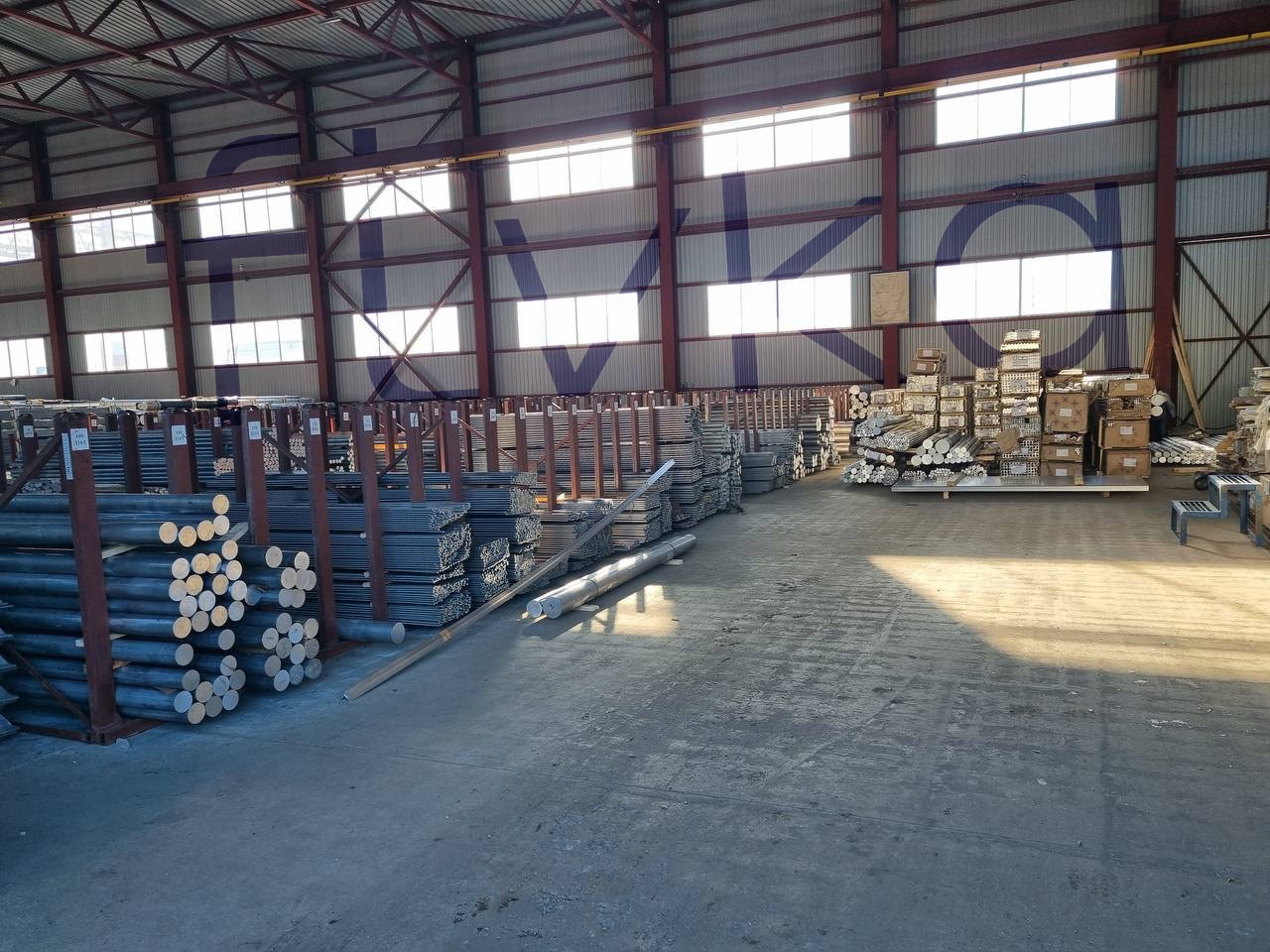
The company is actively preparing to begin testing.
Read →
Morgan Stanley forecasts that the flying-car market could reach $1.5 trillion by 2040.
Read →
Maxim Levoshin joined the podcast "Coming Soon" as a guest.
Read →
Flyka enters the final stage of development and unveils its new brand logo.
Read →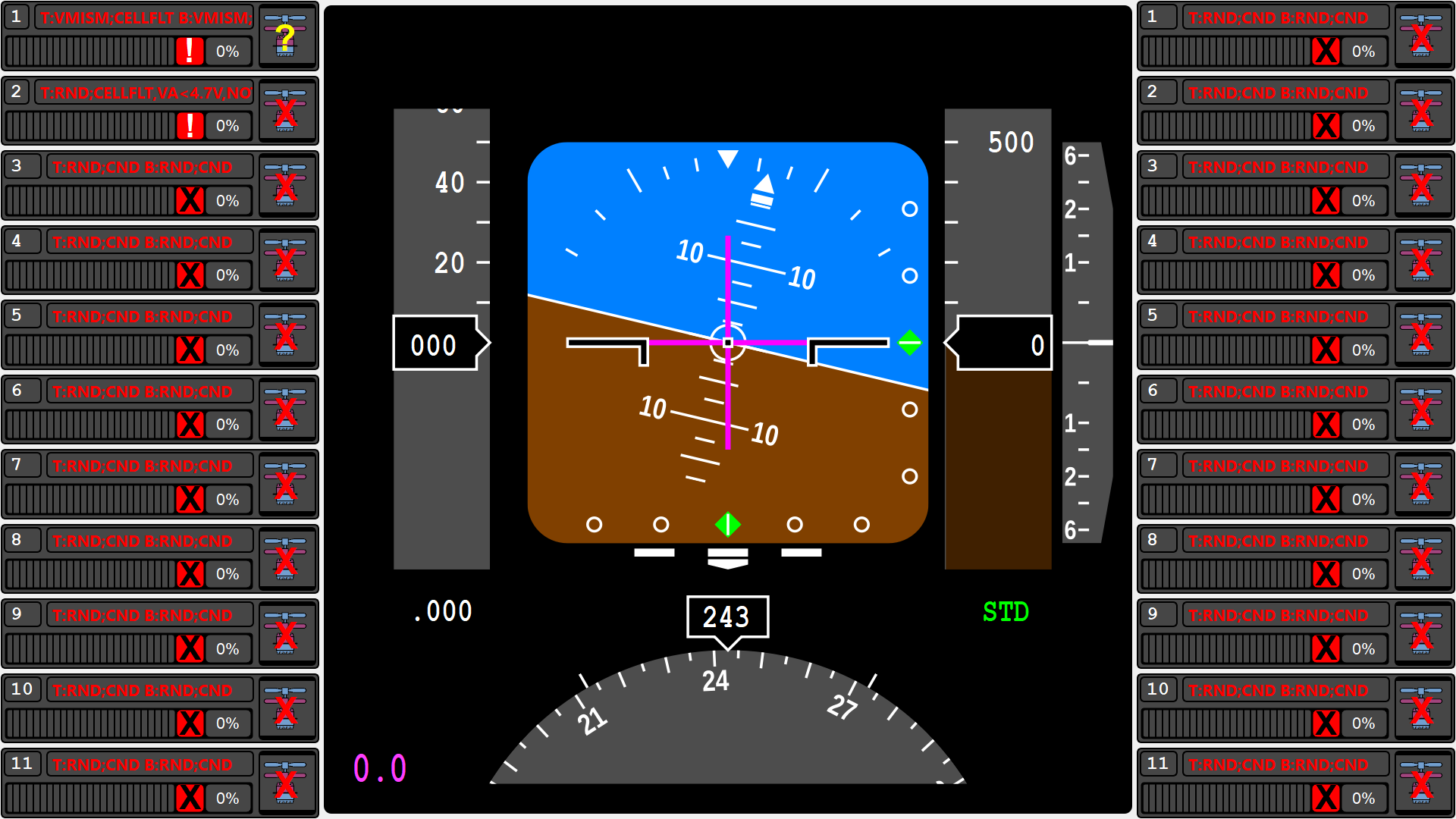
Initial code testing was carried out following the DO-178 guidelines.
Read →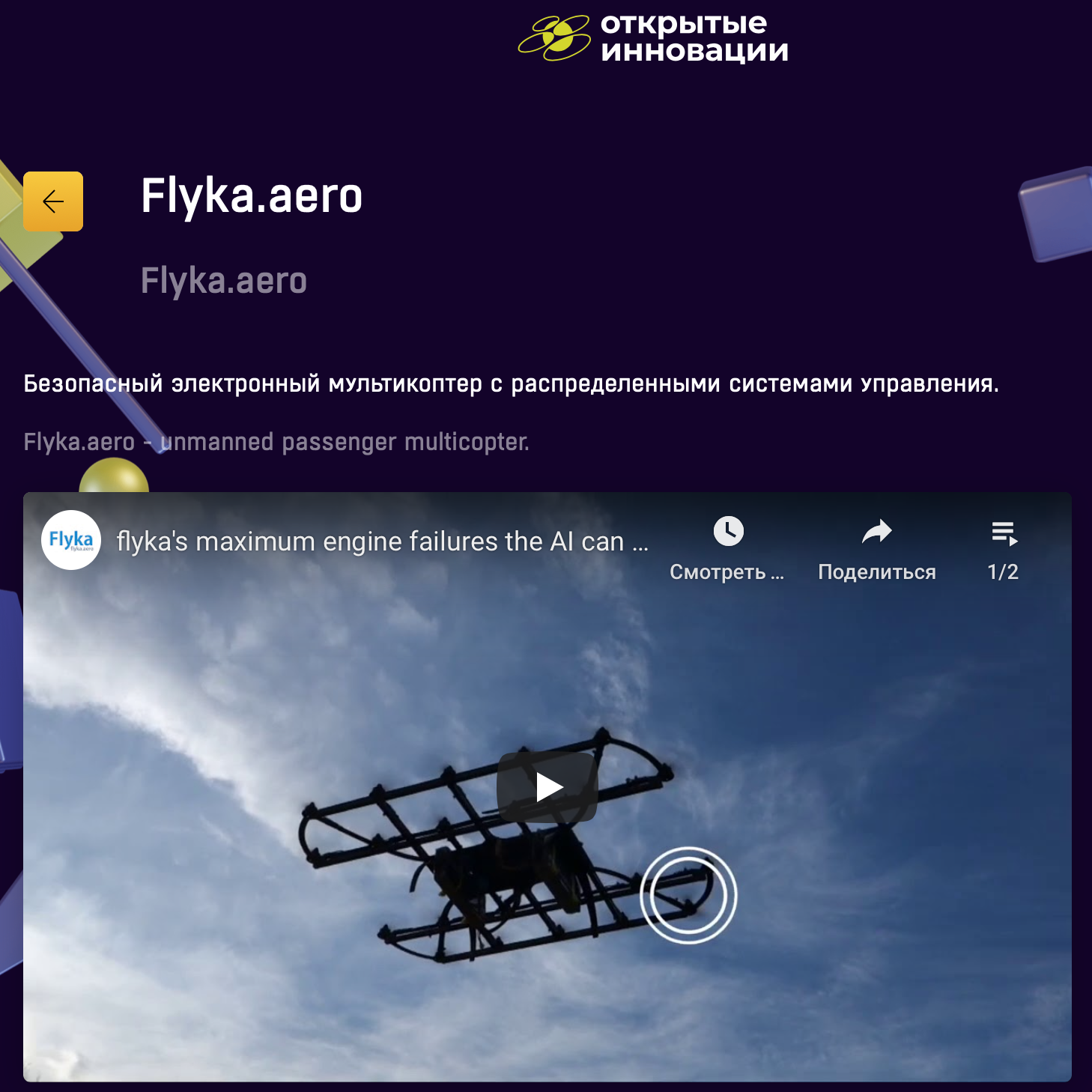
Flyka presents a virtual exhibit at the Open Innovations 2020 conference.
Read →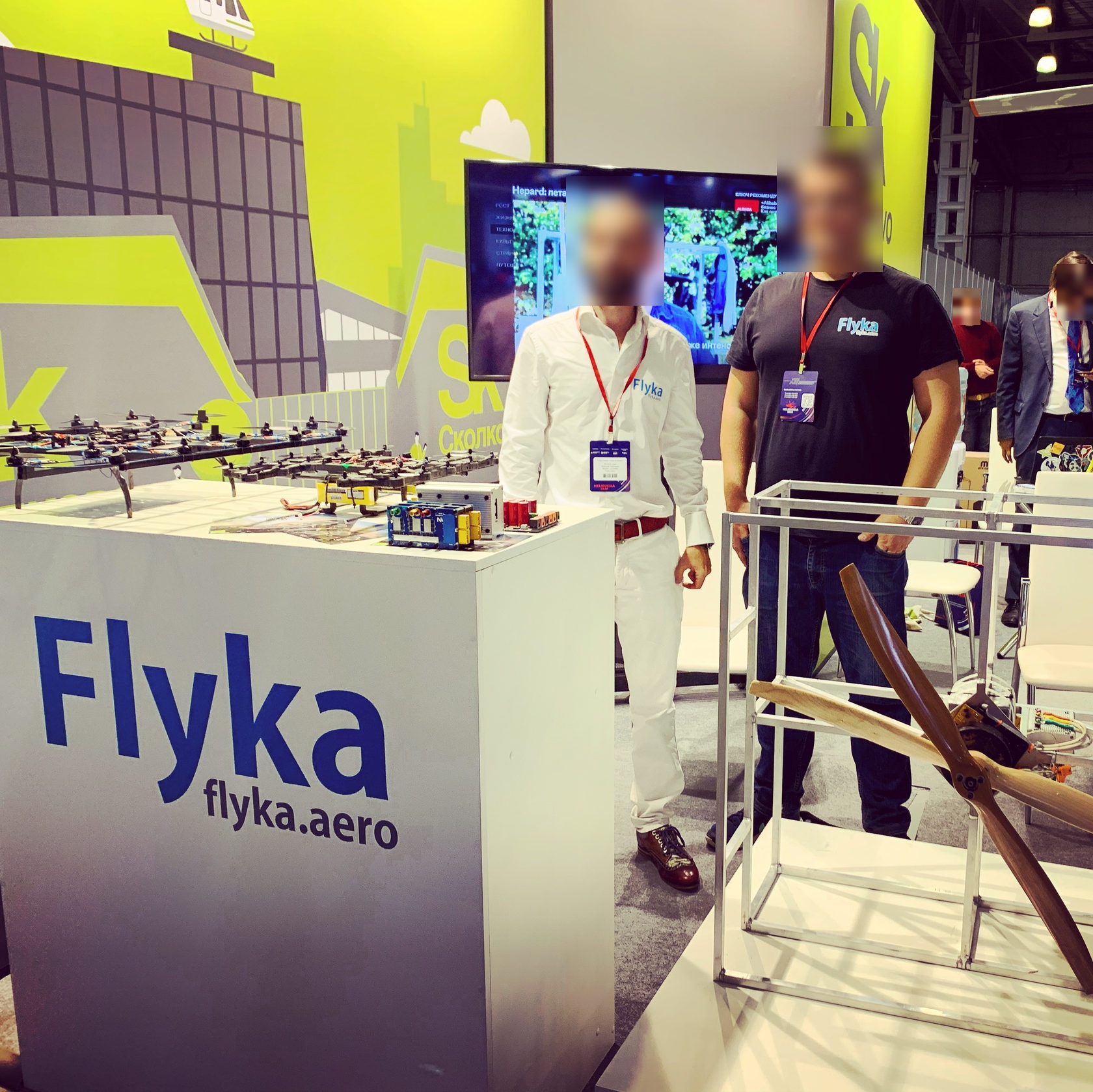
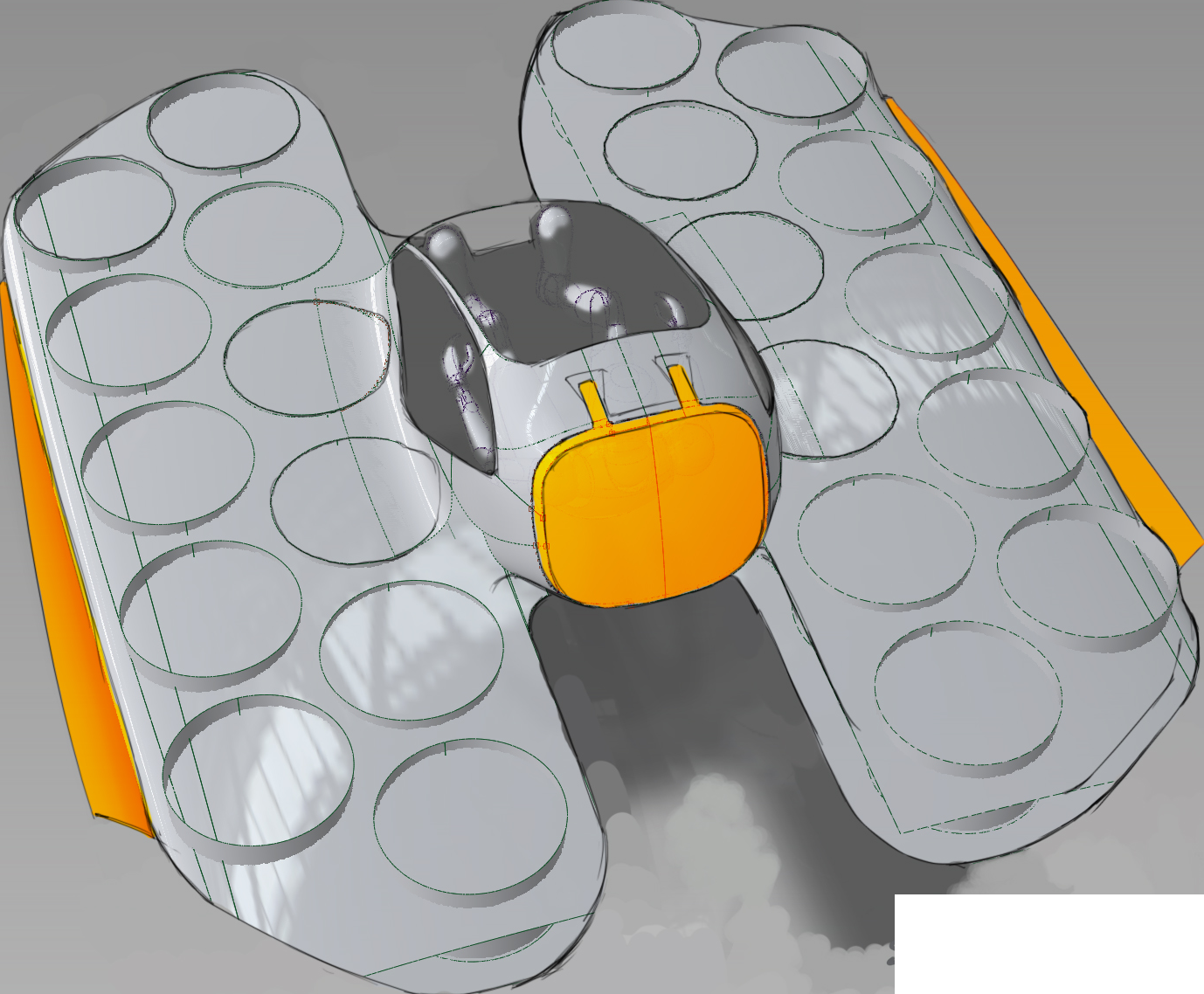
The Flyka.aero team unveiled a section of the Flyka f1 prototype, an unmanned passenger multicopter.
Read →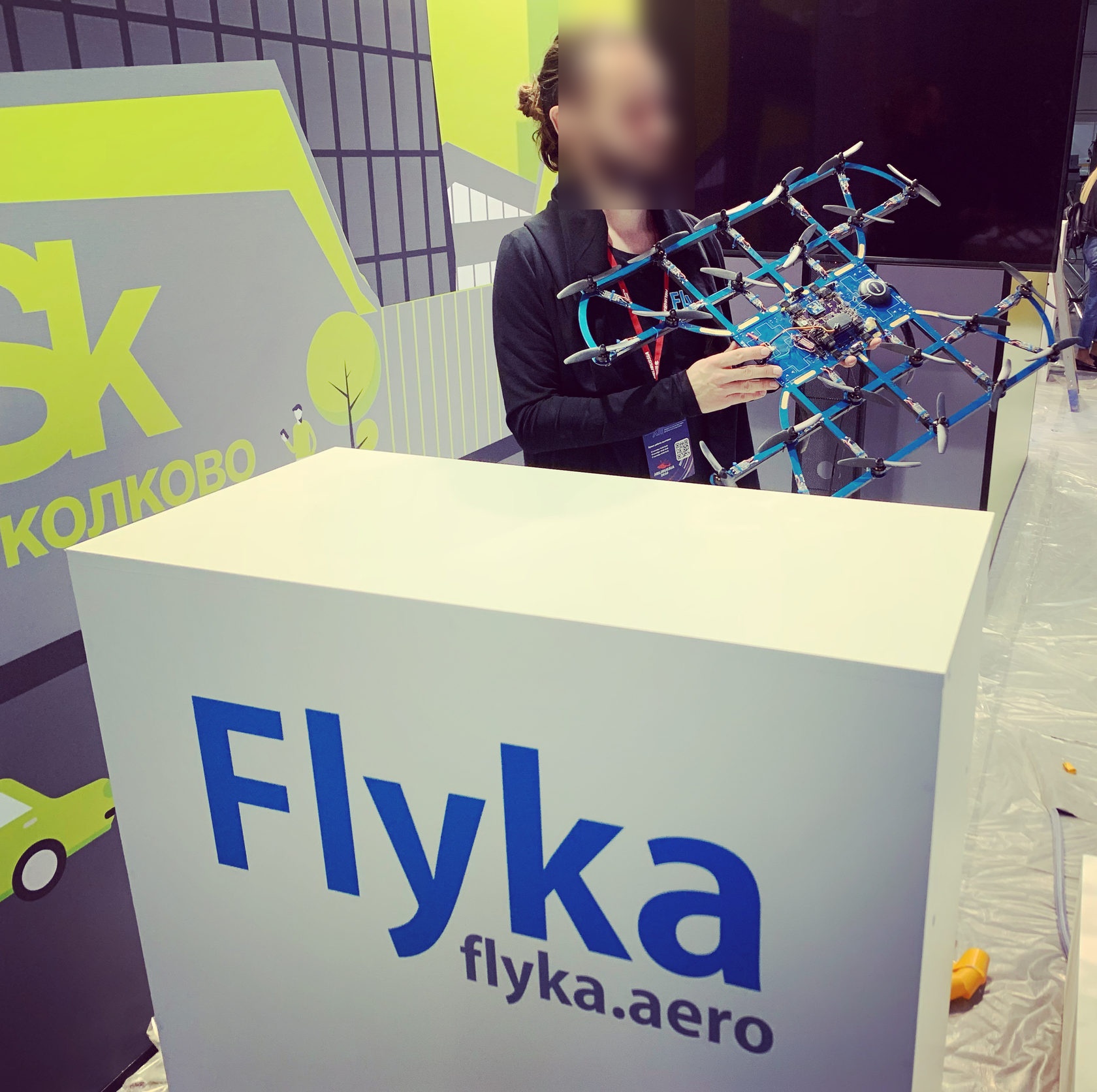
Flyka will speak at HeliRussia 2020 and present a prototype of its flying vehicle.
Read →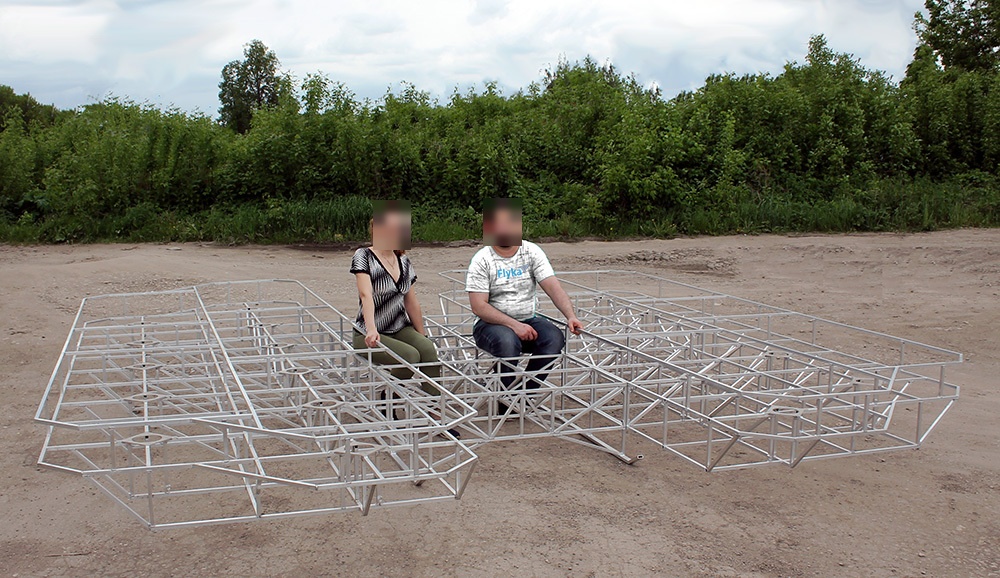

In the energy-efficiency track, high tech energy & transport category!
Read →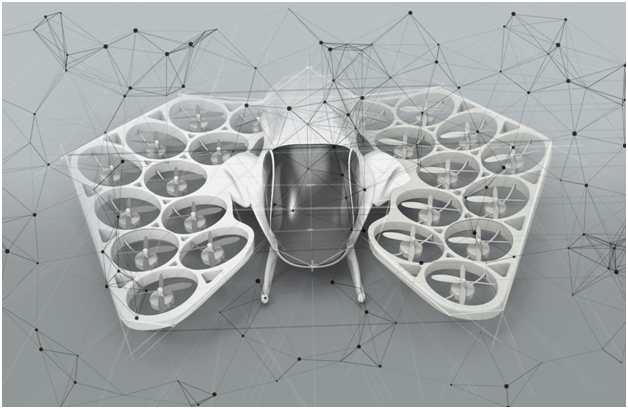
This year has seen a sharp surge of interest in flying cars and air taxis, and Flyka explains why its distributed multirotor architecture is built to win that market on safety and cost.
Read →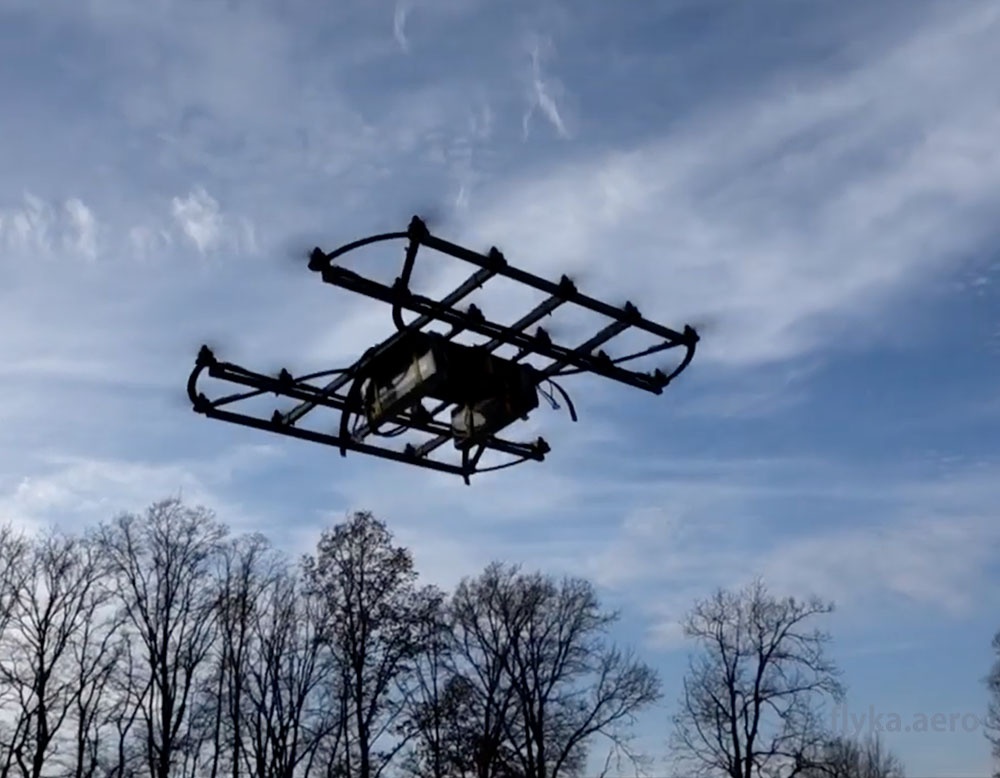
It will let us test every system in real-world conditions, under a real load.
Read →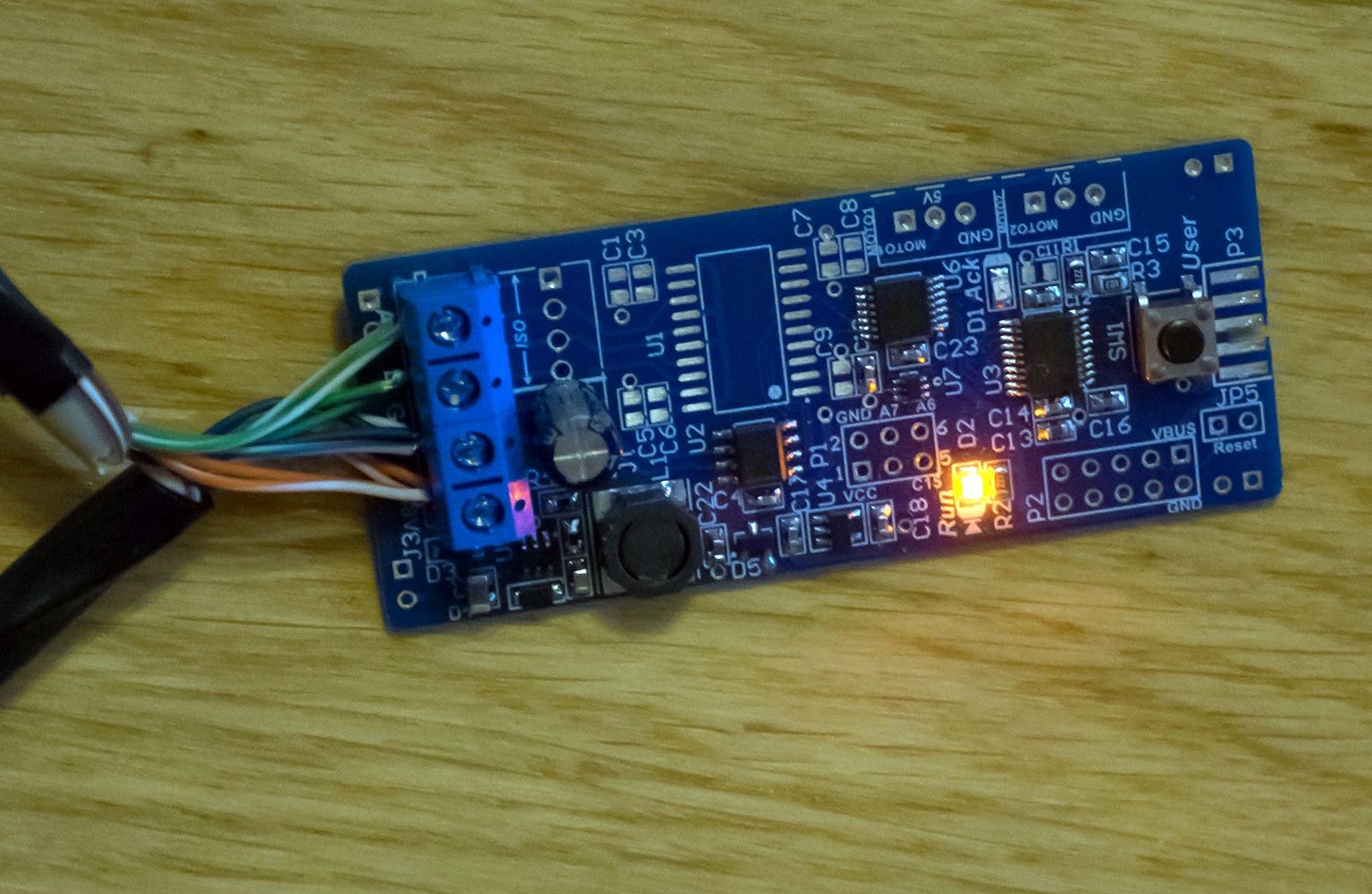
While the controller is being debugged, the distributed autopilot is being tested on emulator boards.
Read →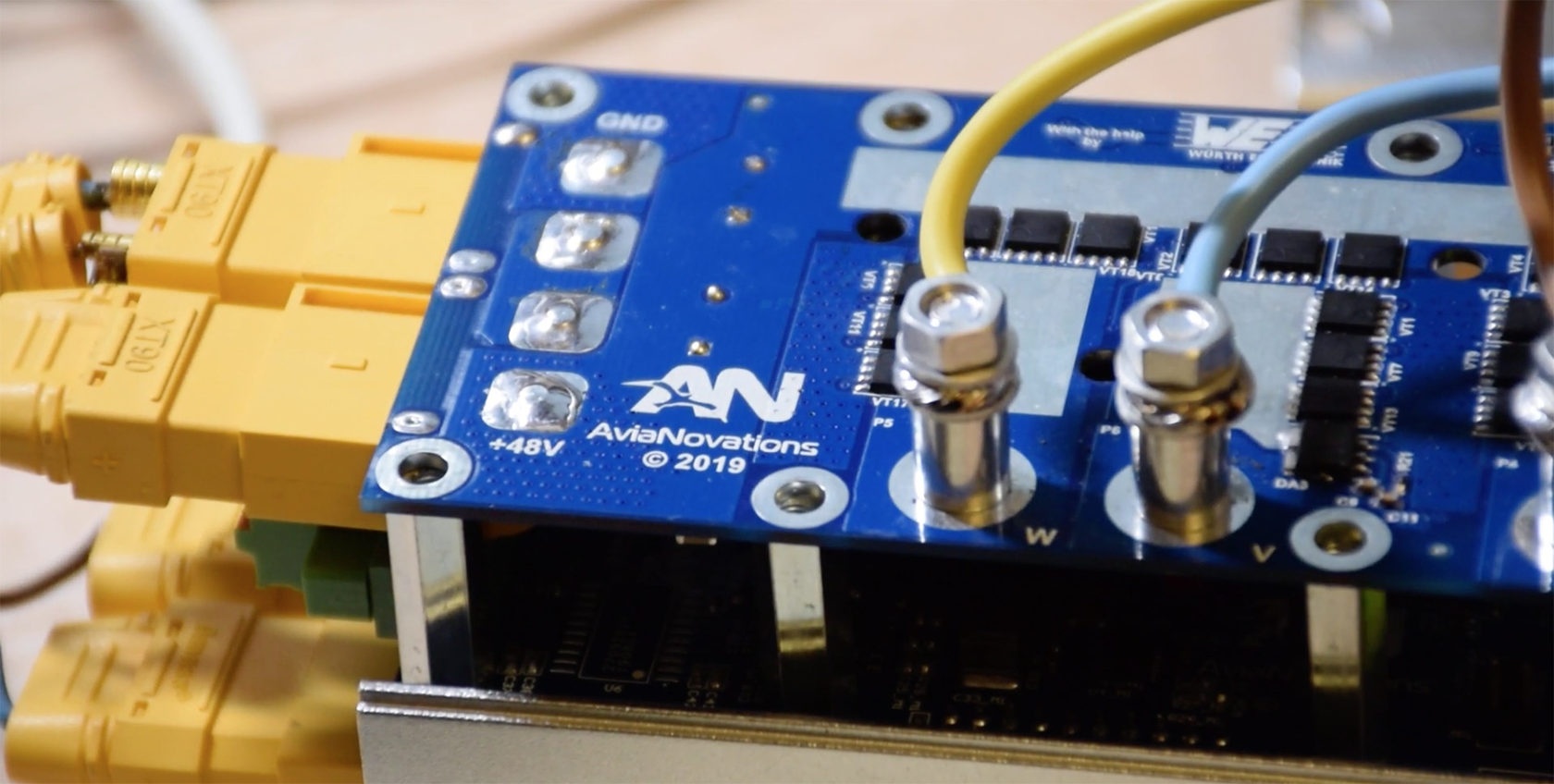
A round of bench testing and fine-tuning still lies ahead, yet the design is already close to final.
Read →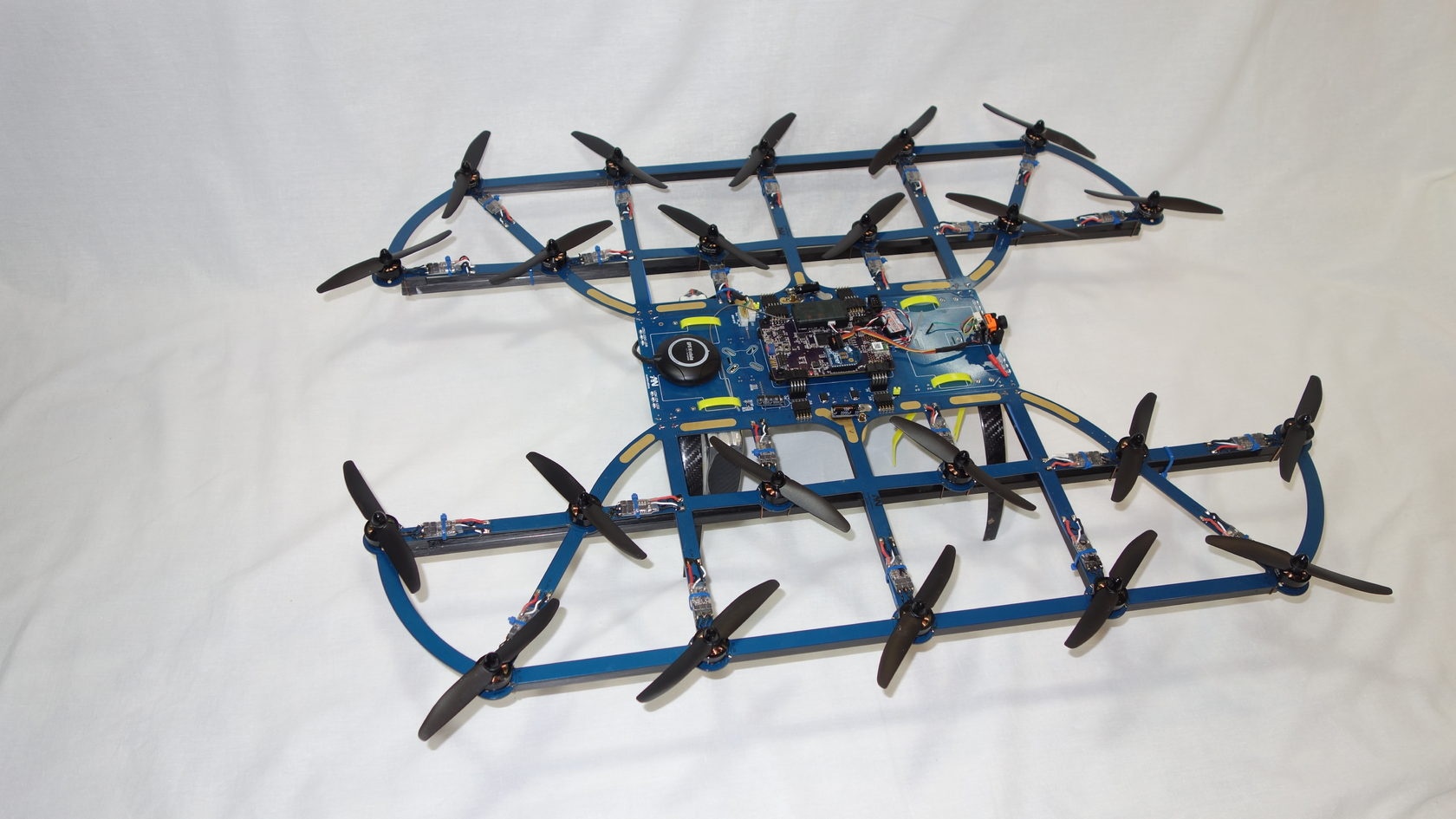
We can now fine-tune a full control system with radar and machine vision in the air.
Read →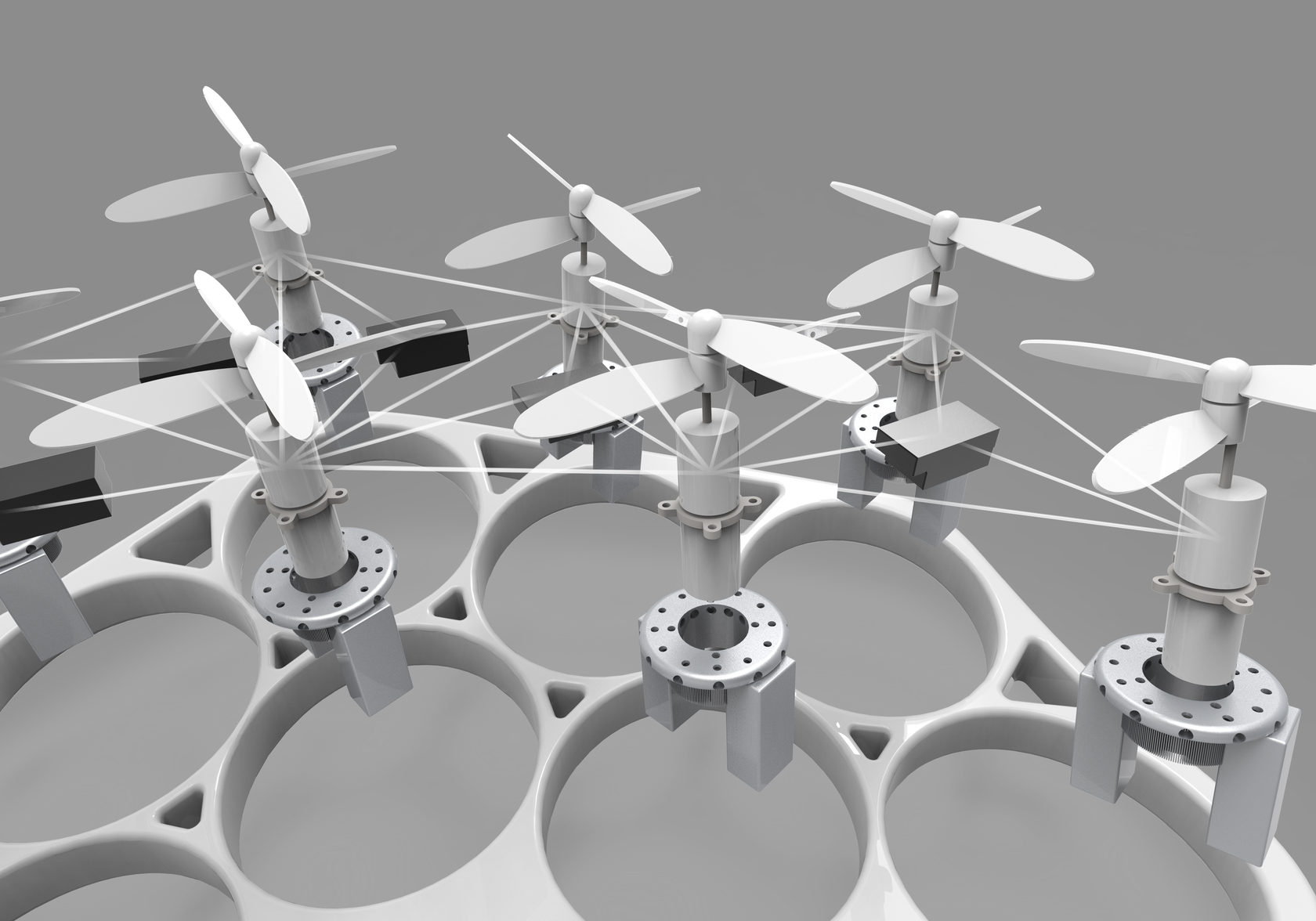
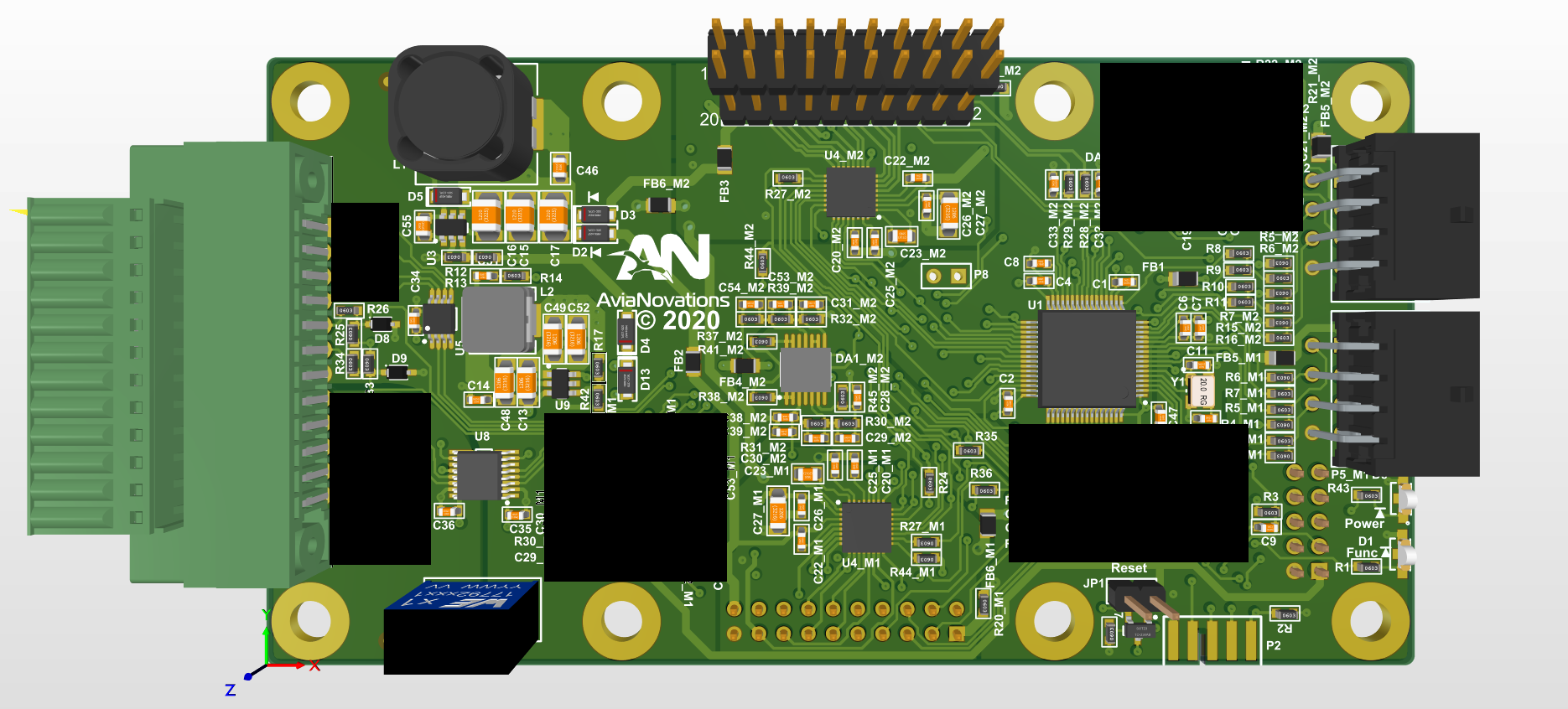
It improves on the previous version with lower mass and higher efficiency, plus support for the distributed autopilot system.
Read →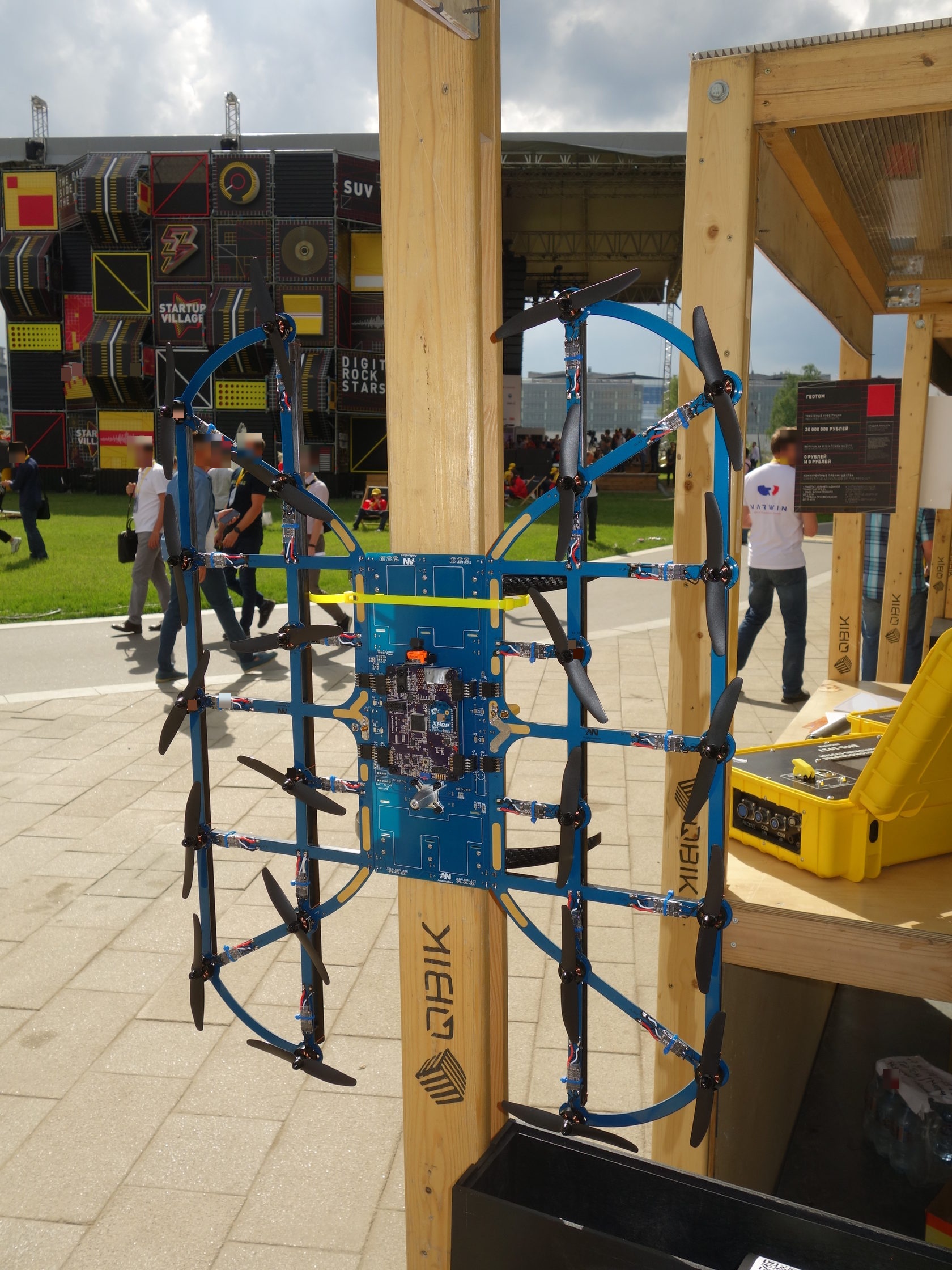
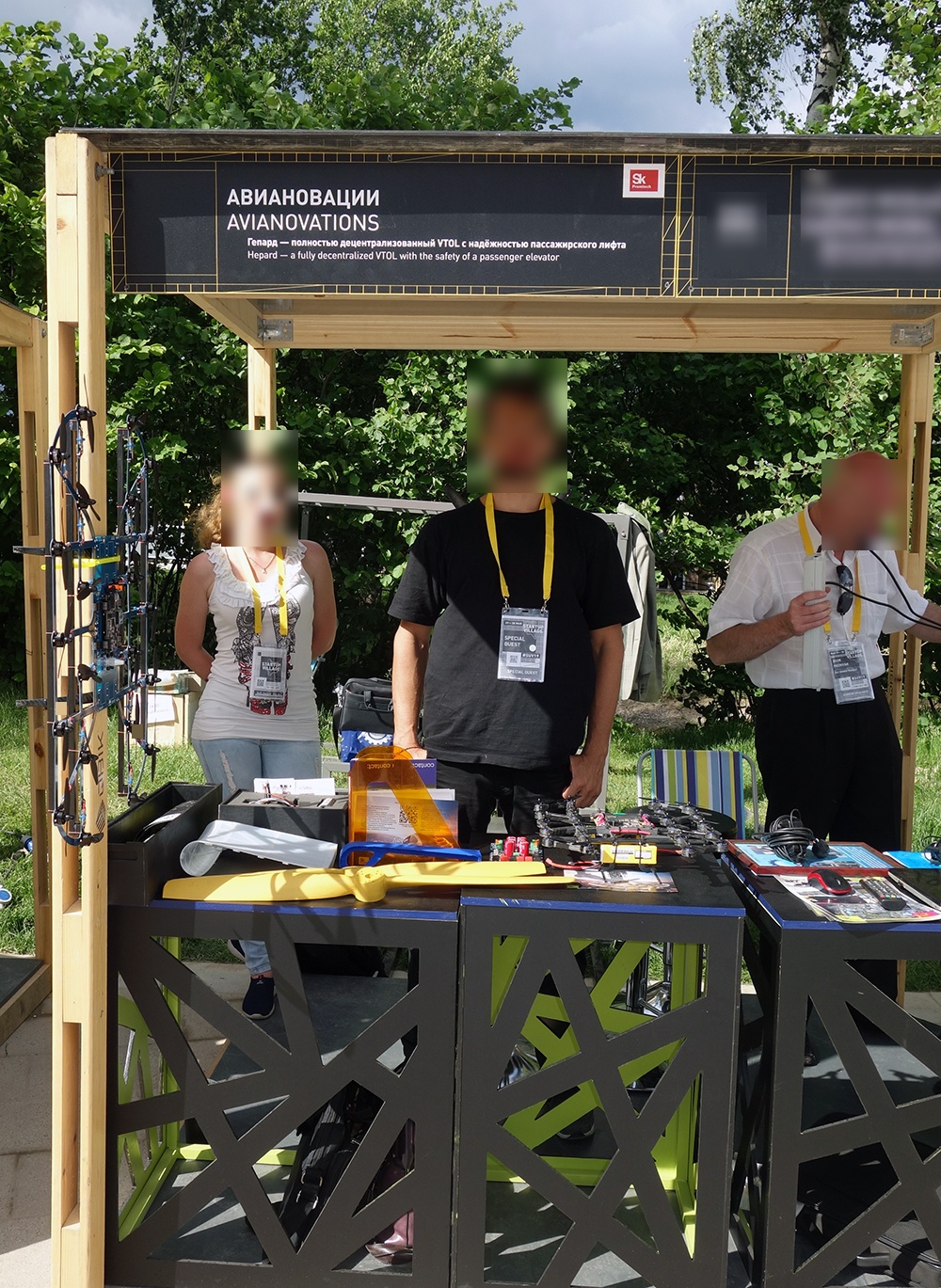
We showcased our flying-car prototypes, the engine and the control hardware.
Read →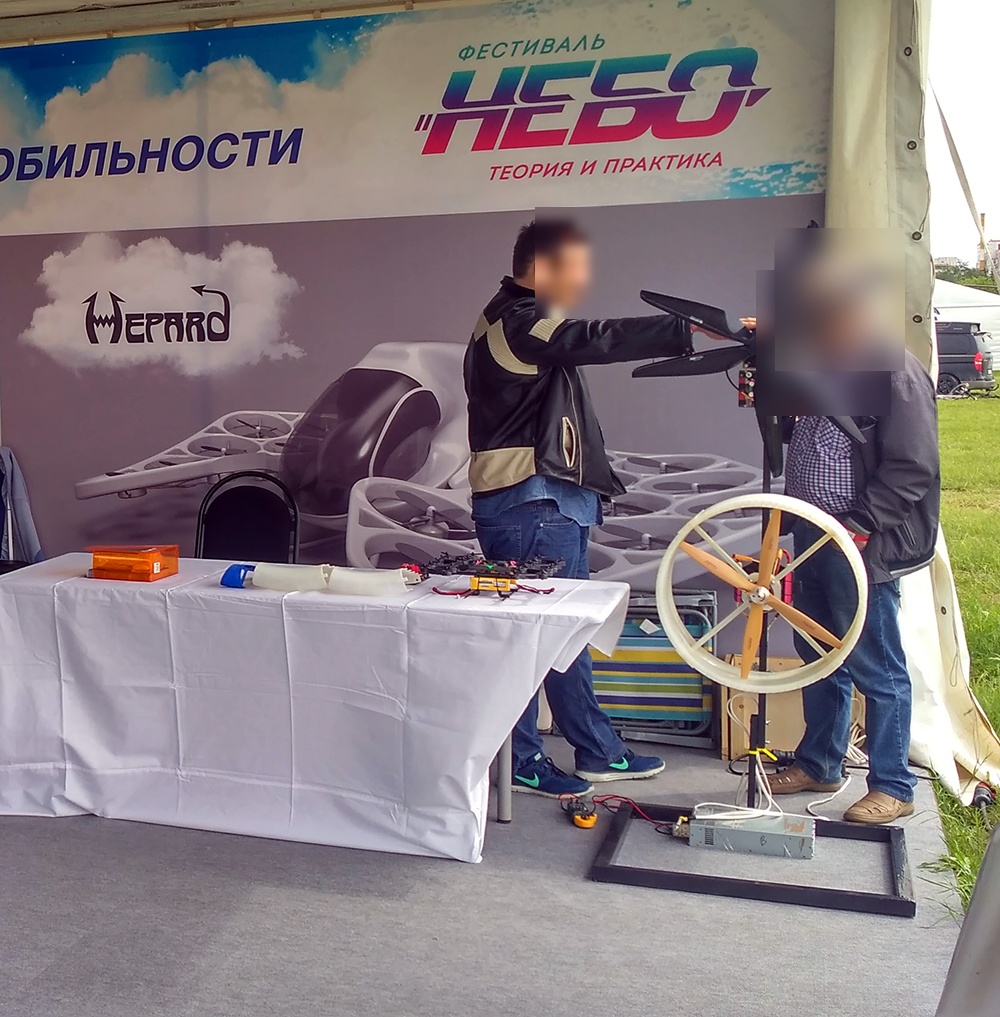
Flyka stood alongside the manufacturers and developers of helicopter and aircraft technology.
Read →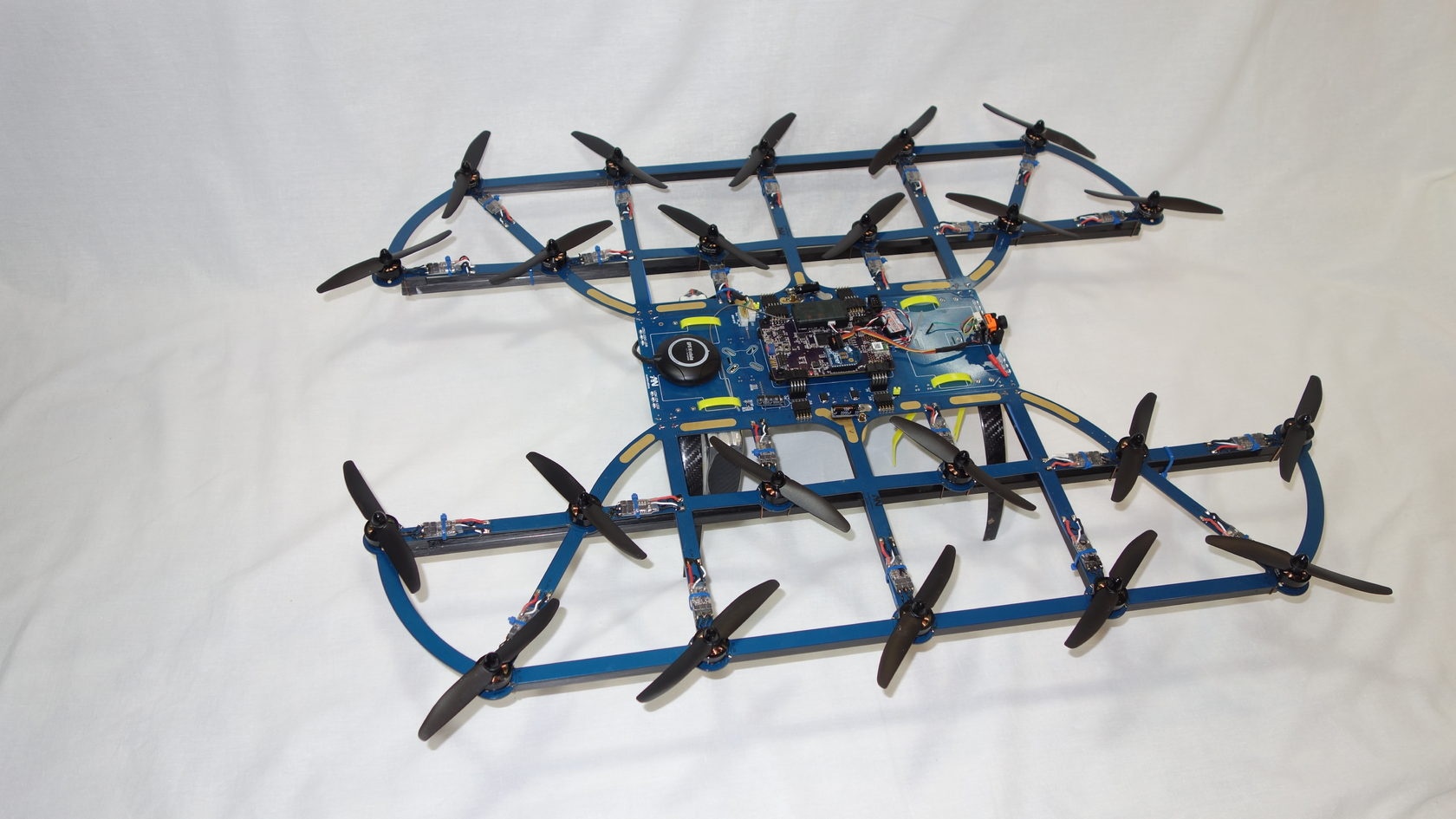
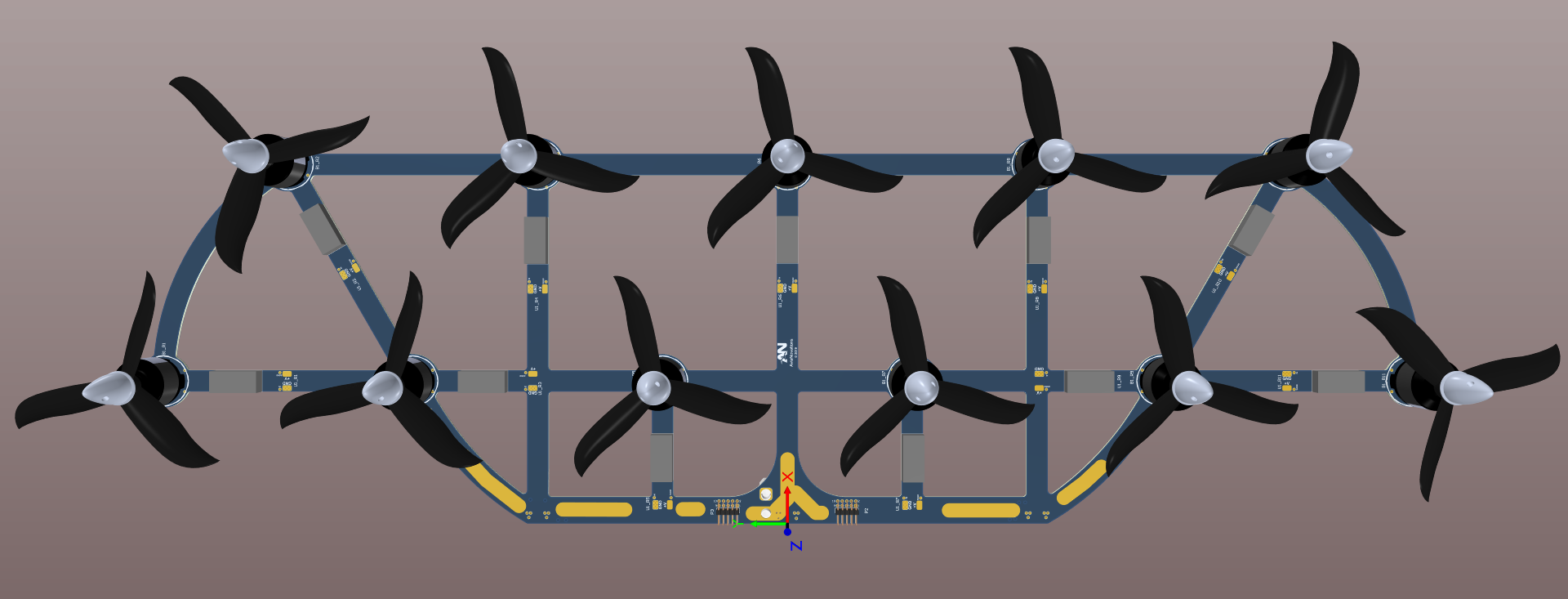
For complete happiness we now need a radar, a couple of lidars and three cameras.
Read →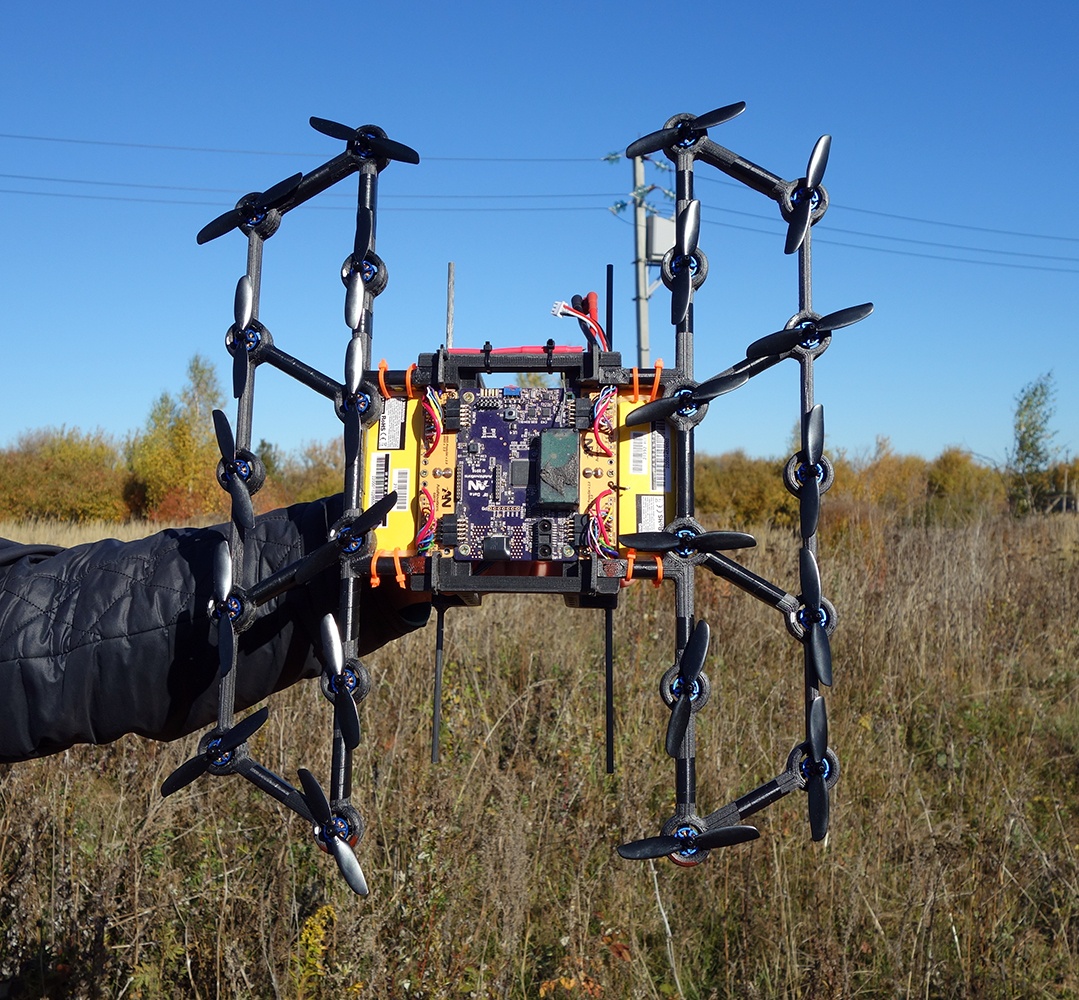
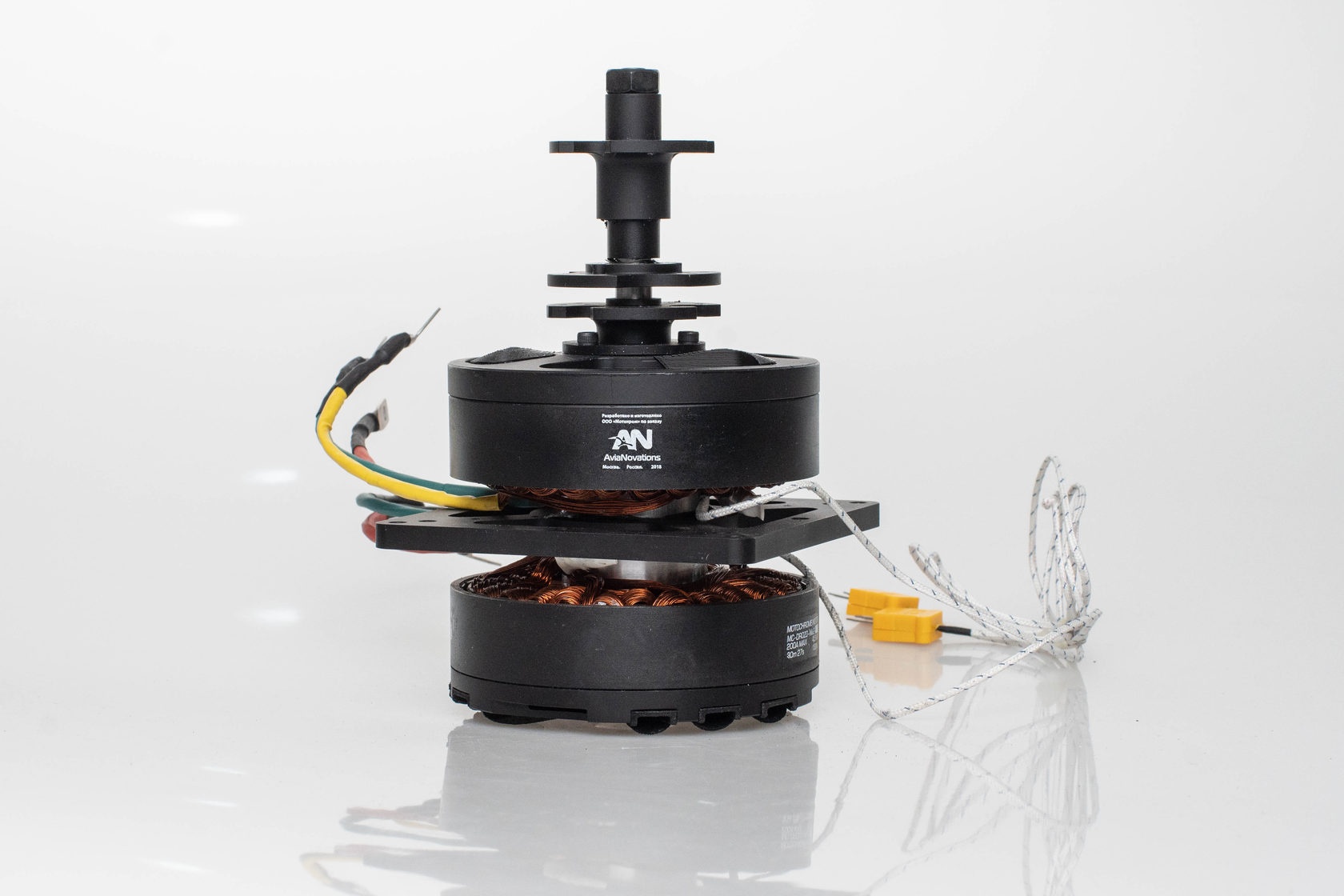
The engine is more reliable now — we can't wait to get it onto the test bench :)
Read →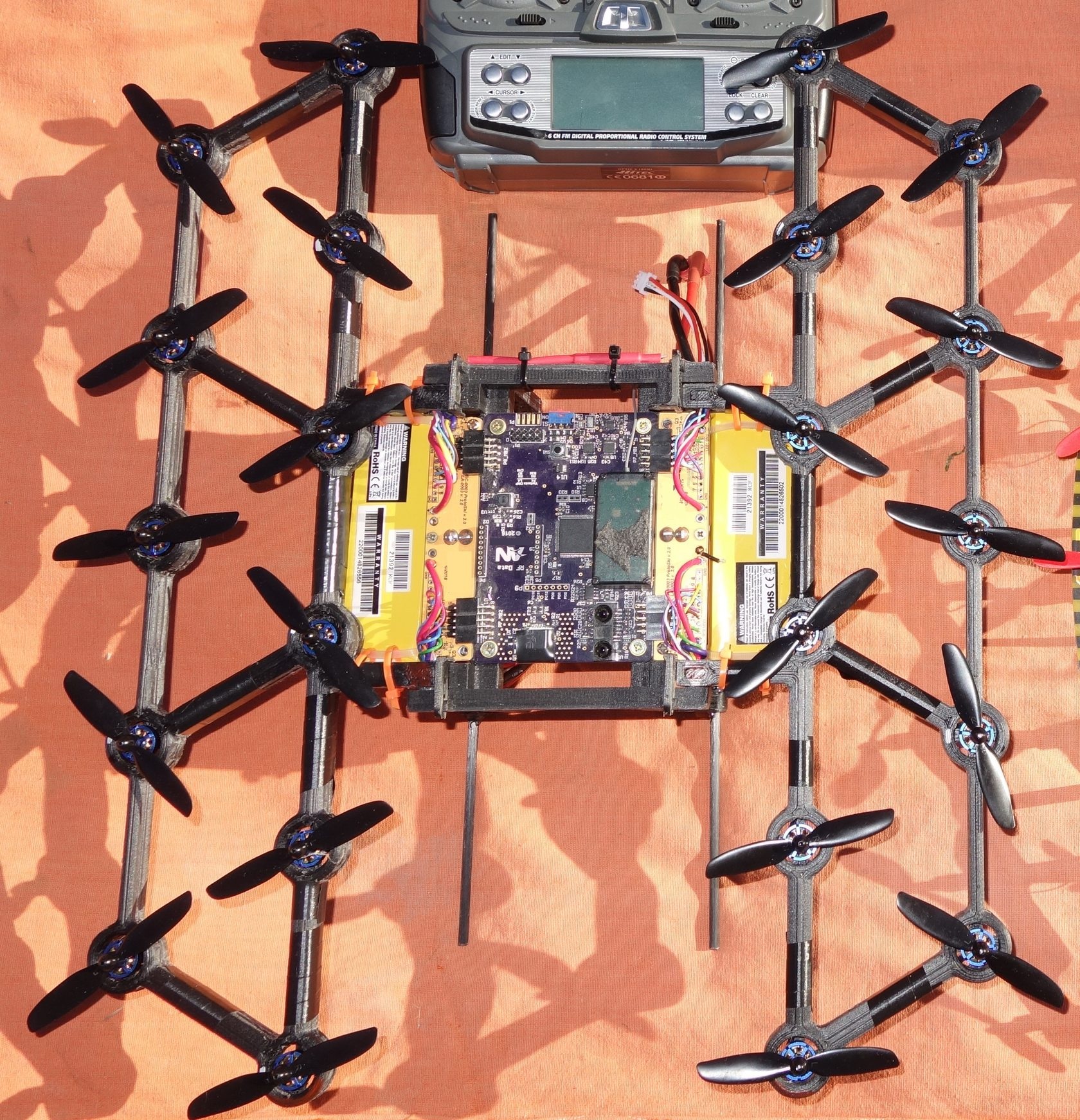
We are running the final tuning of throw rates, limits, the mixer and other parameters.
Read →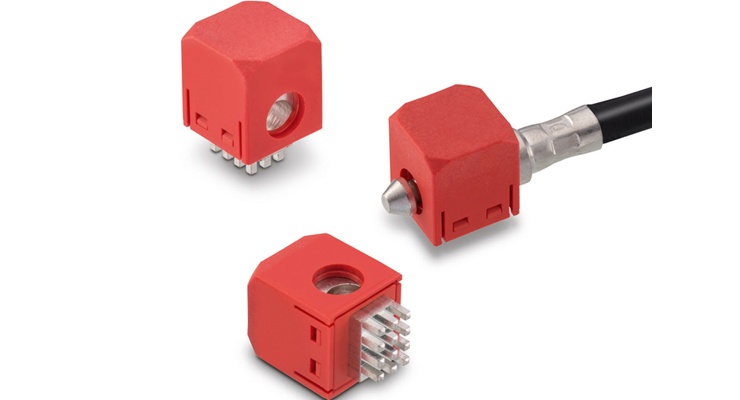
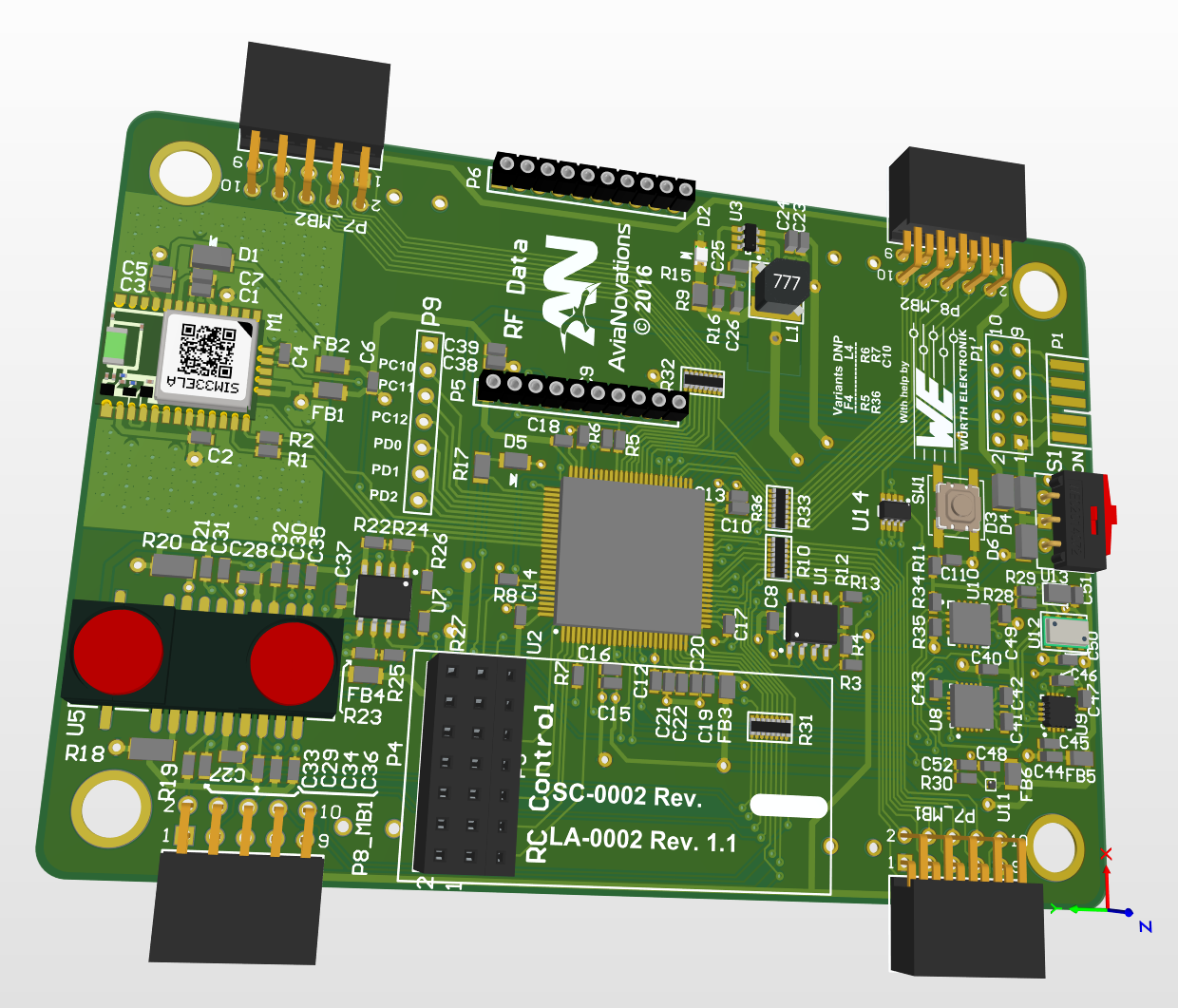
Würth Elektronik's REDCUBE PRESS-FIT power connectors aren't soldered — they're pressed into the board.
Read →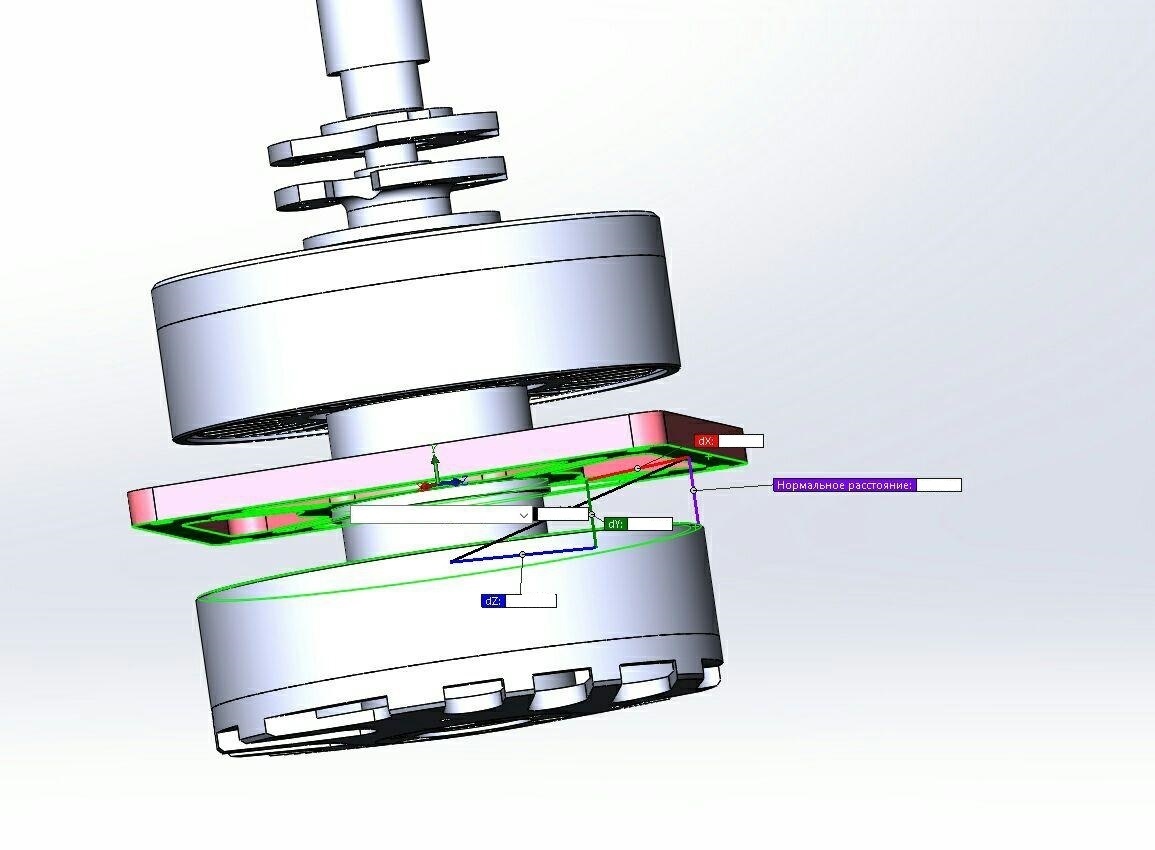
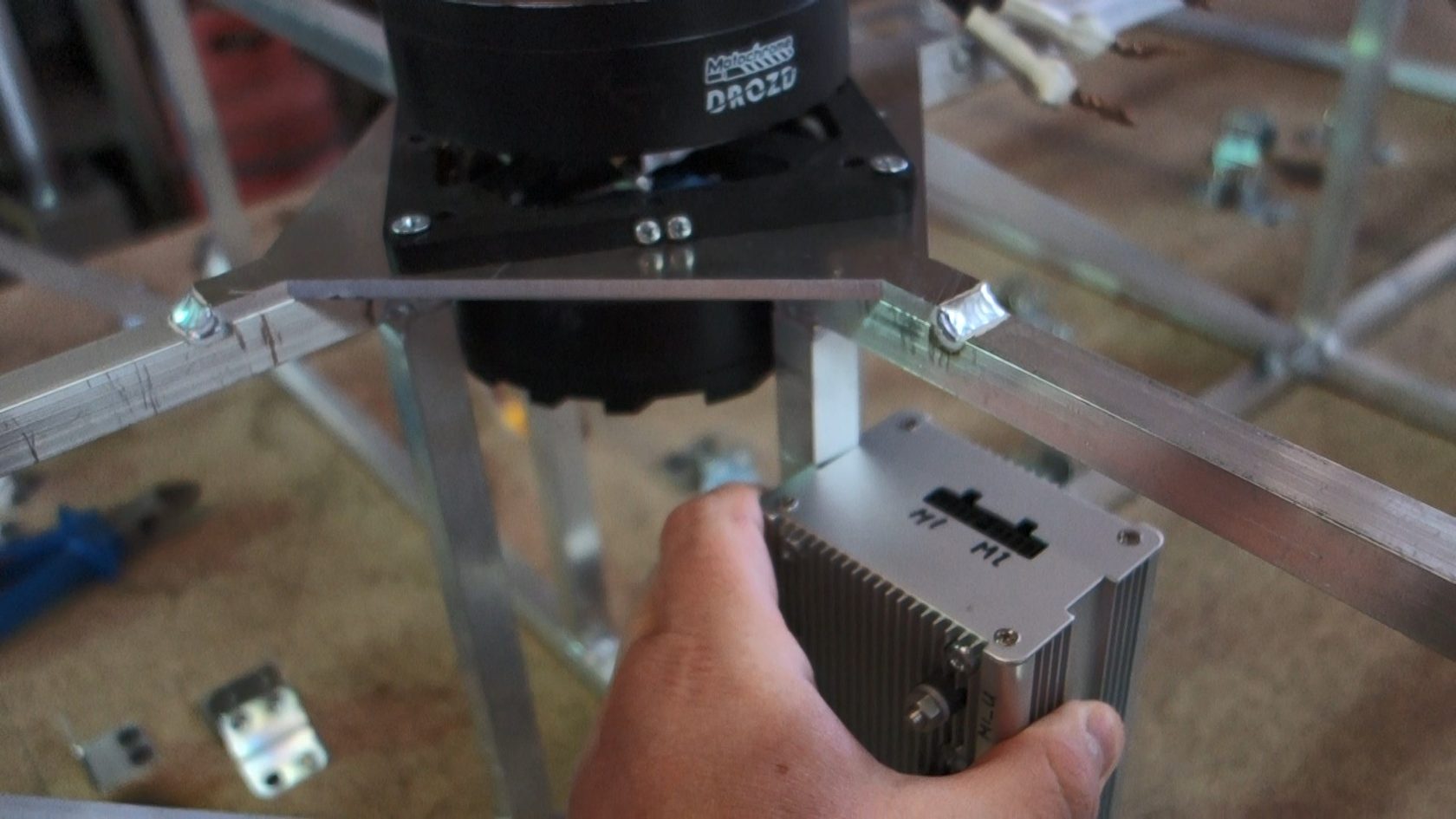
The new Drozd-2 engine incorporates every issue and improvement identified during testing of the first version.
Read →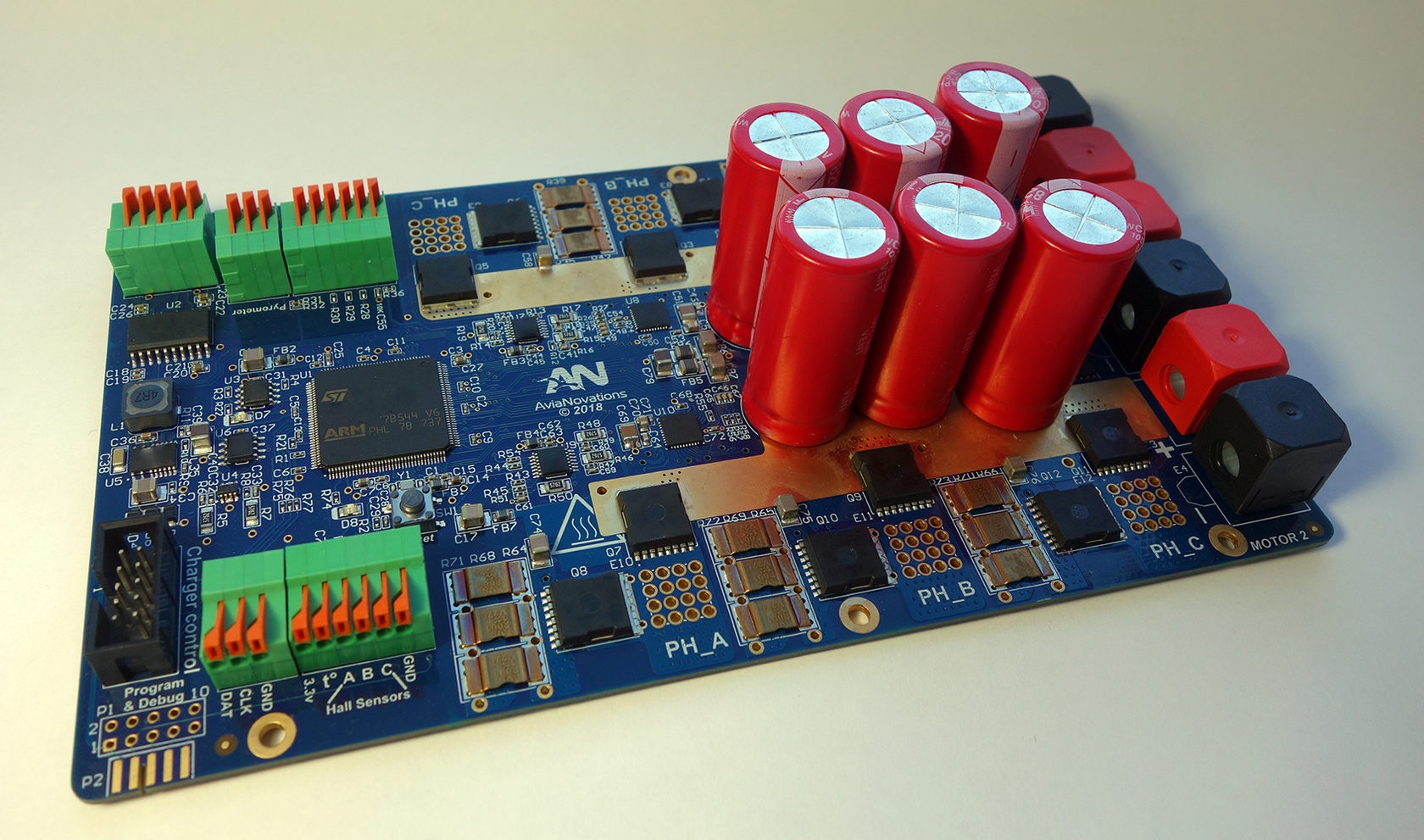
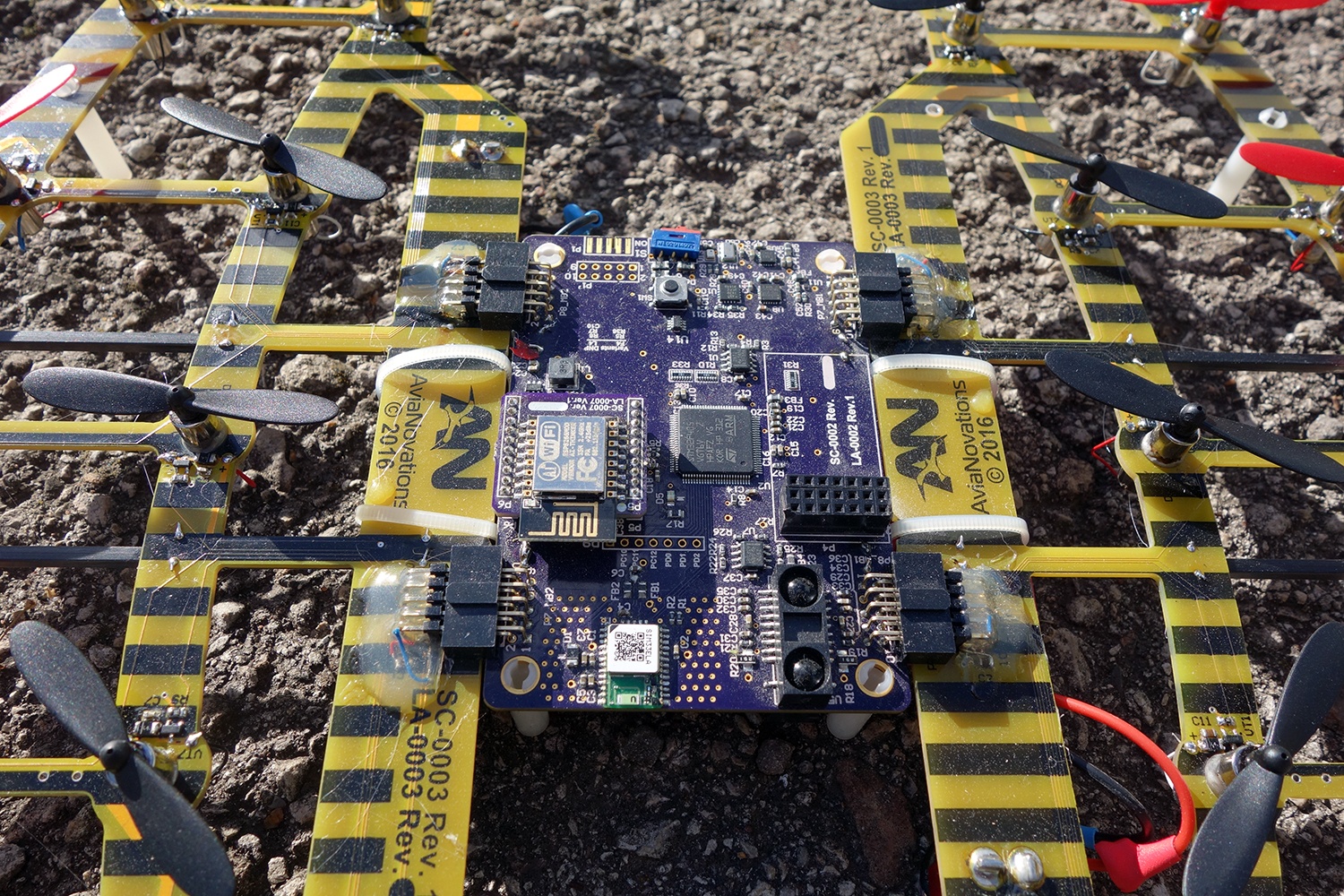
And at last everything works exactly as it should!
Read →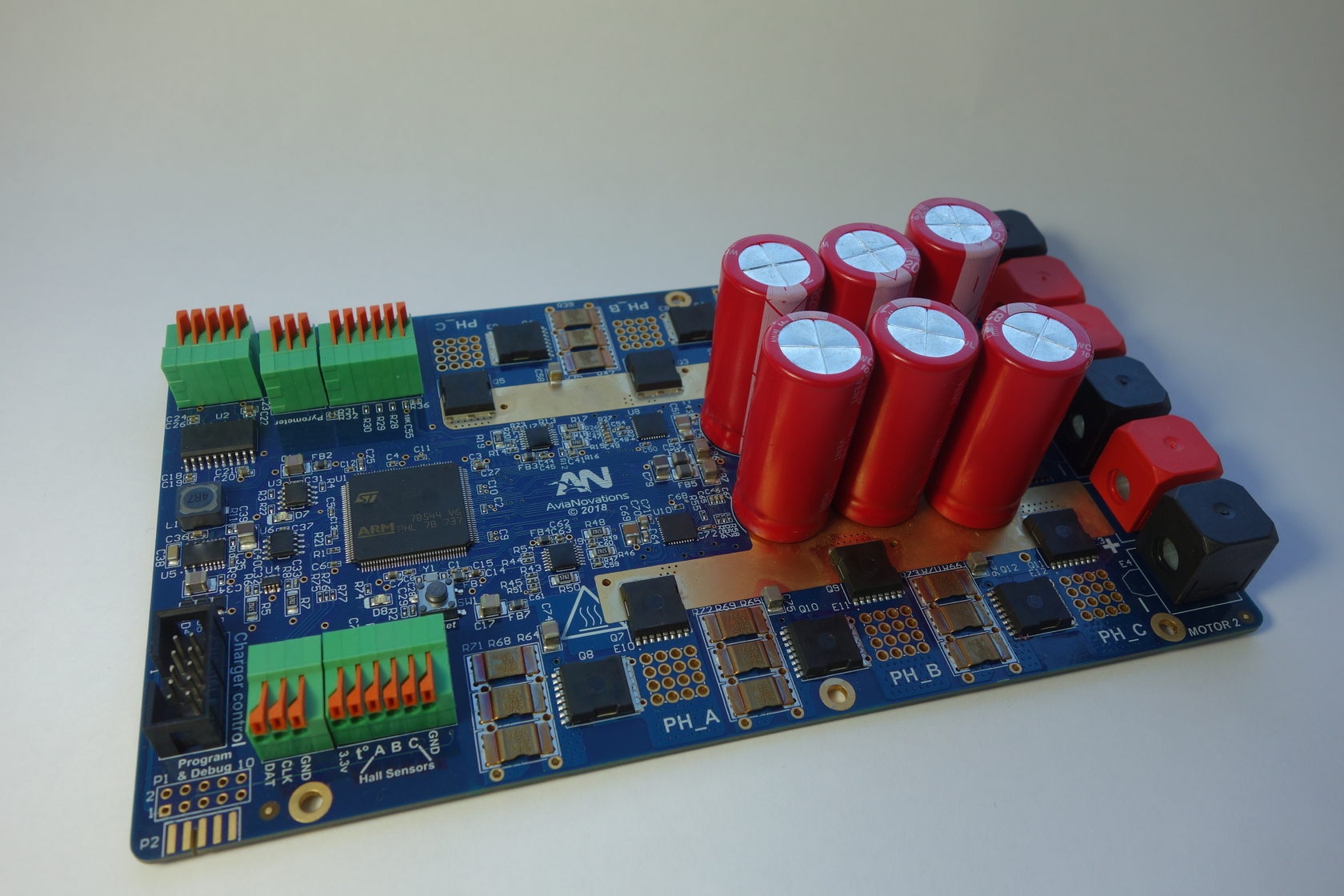
To fine-tune the automatic flight control system.
Read →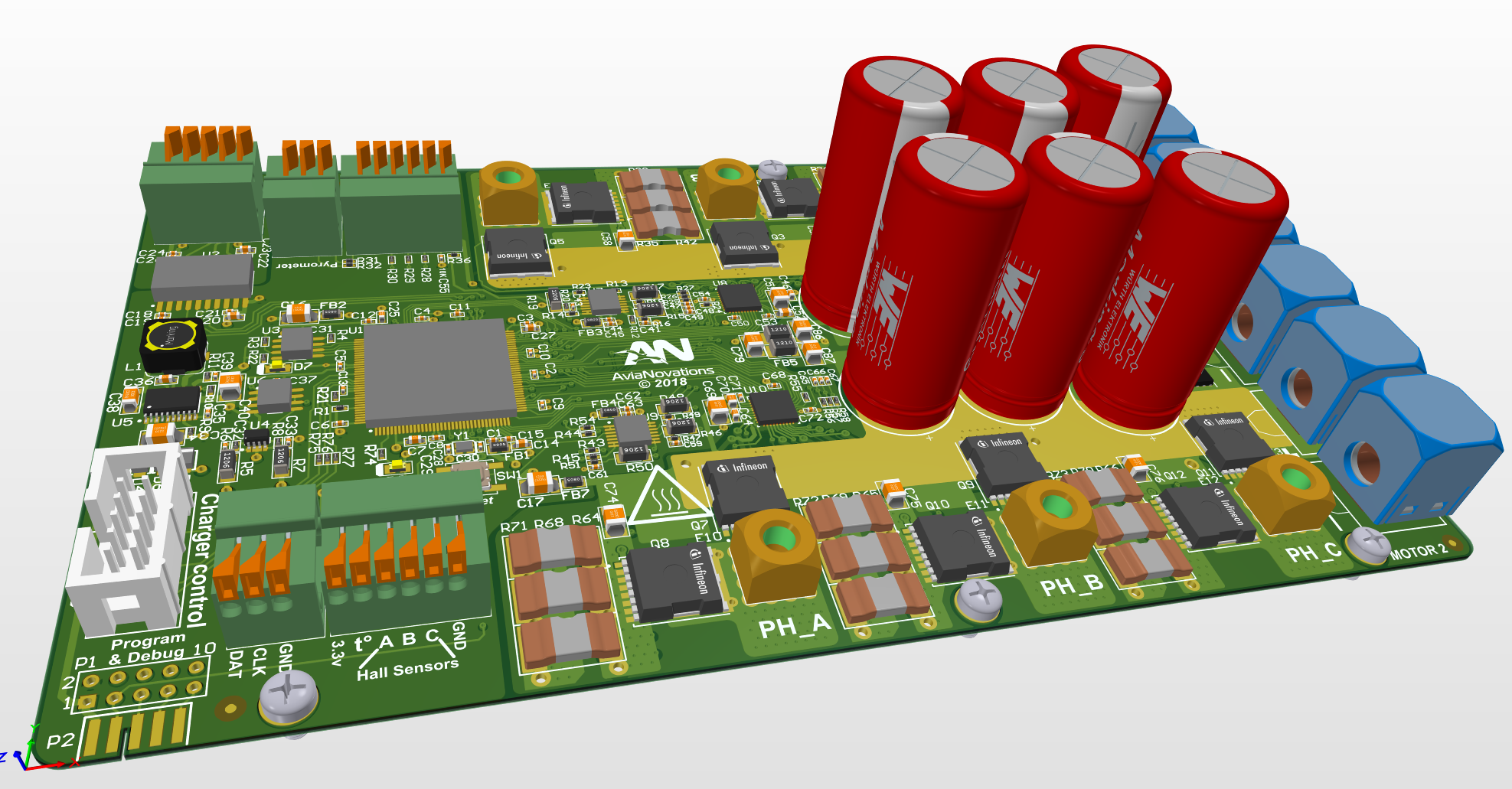
Development of the dual-channel electronic speed controller (ESC) is complete.
Read →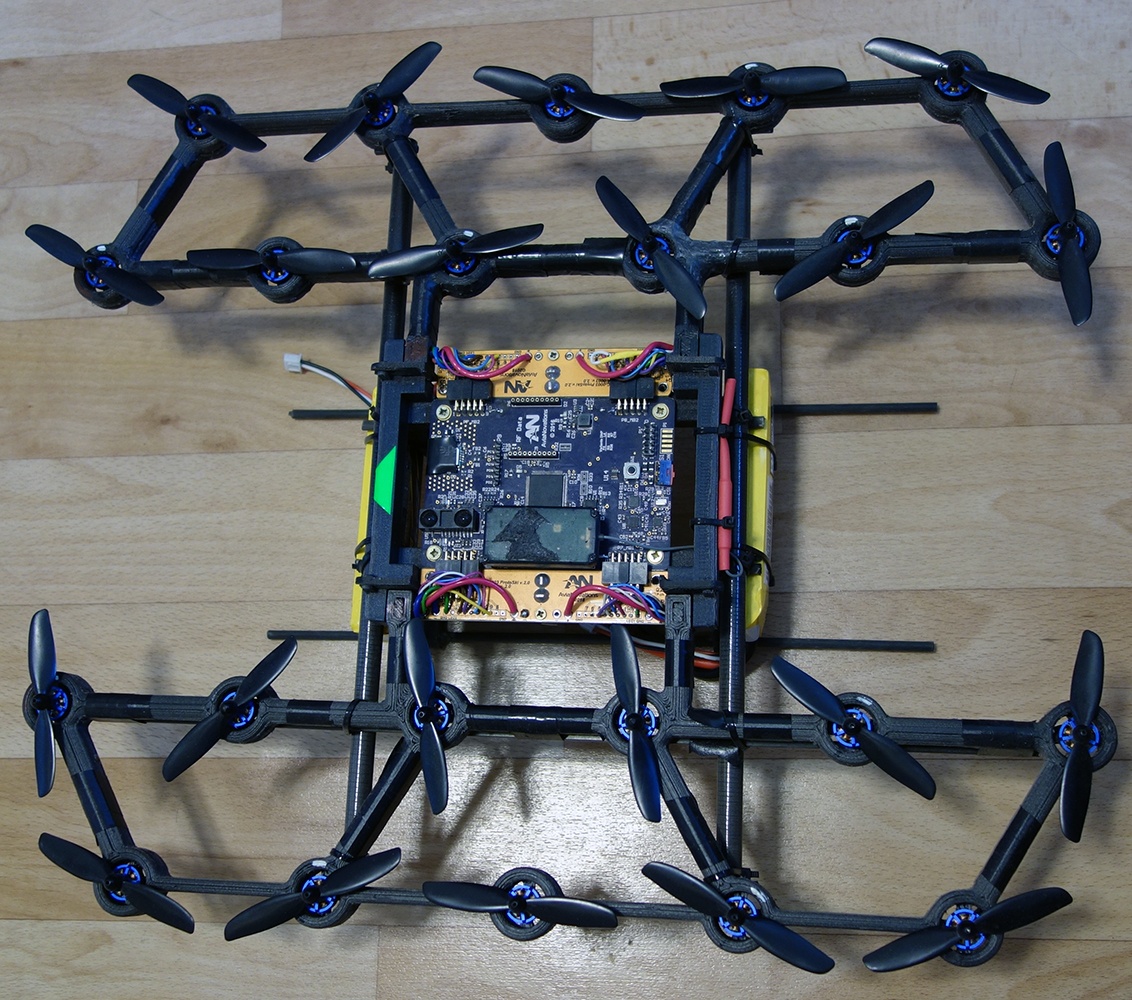
A “virus” embedded in the firmware shuts off randomly selected motors without the autopilot's knowledge.
Read →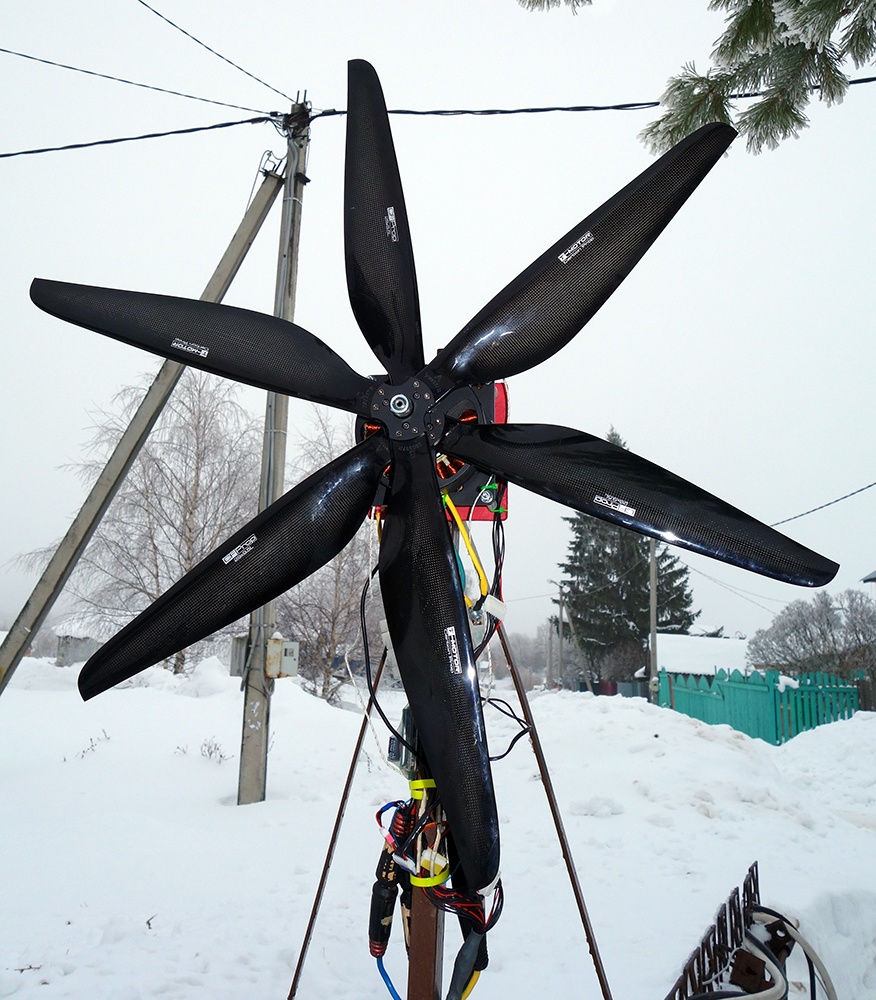
Conducted as part of the Drozd v1 engine test program.
Read →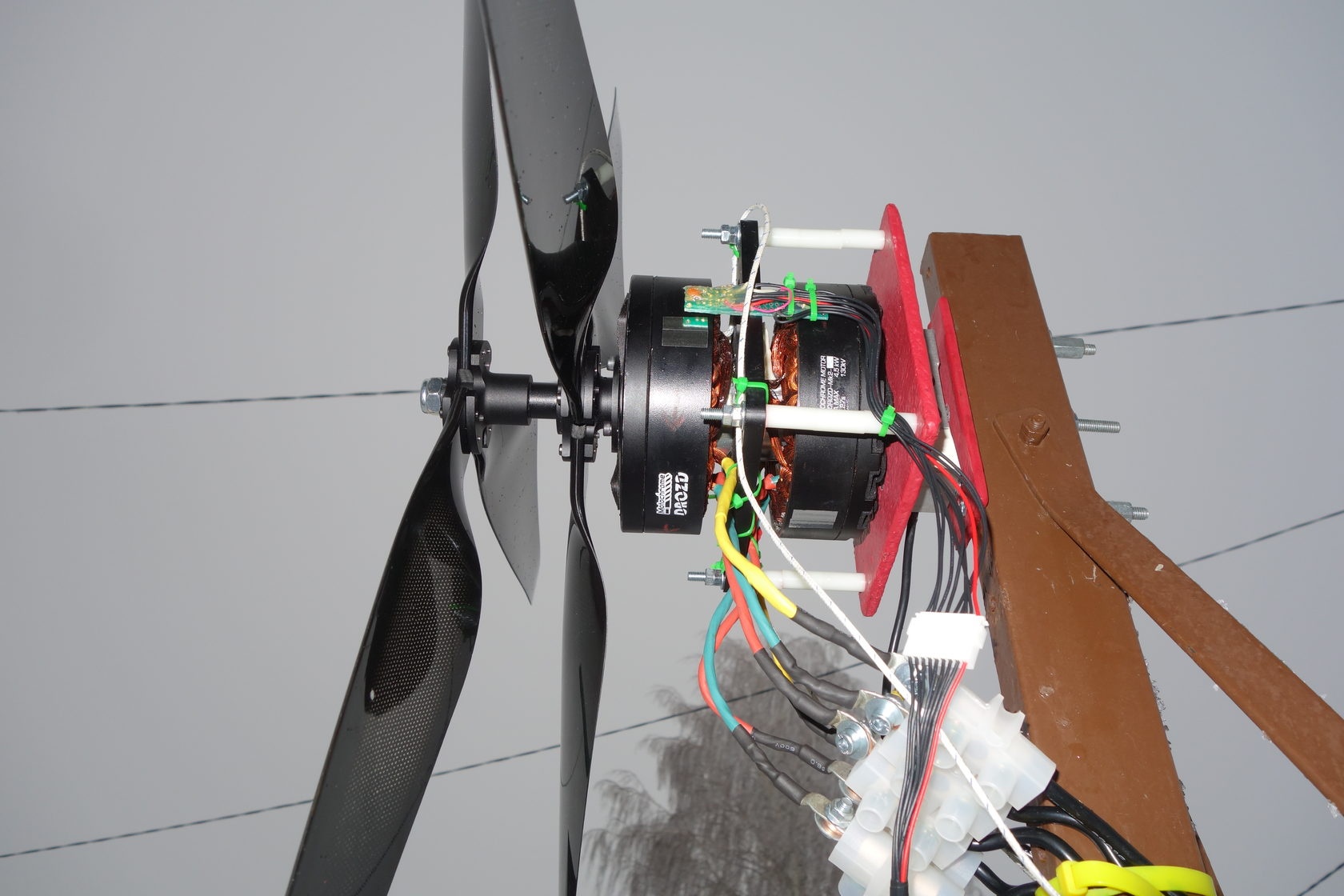
Over the course of a month we ran test cycles and fine-tuned the software, sensors and propeller.
Read →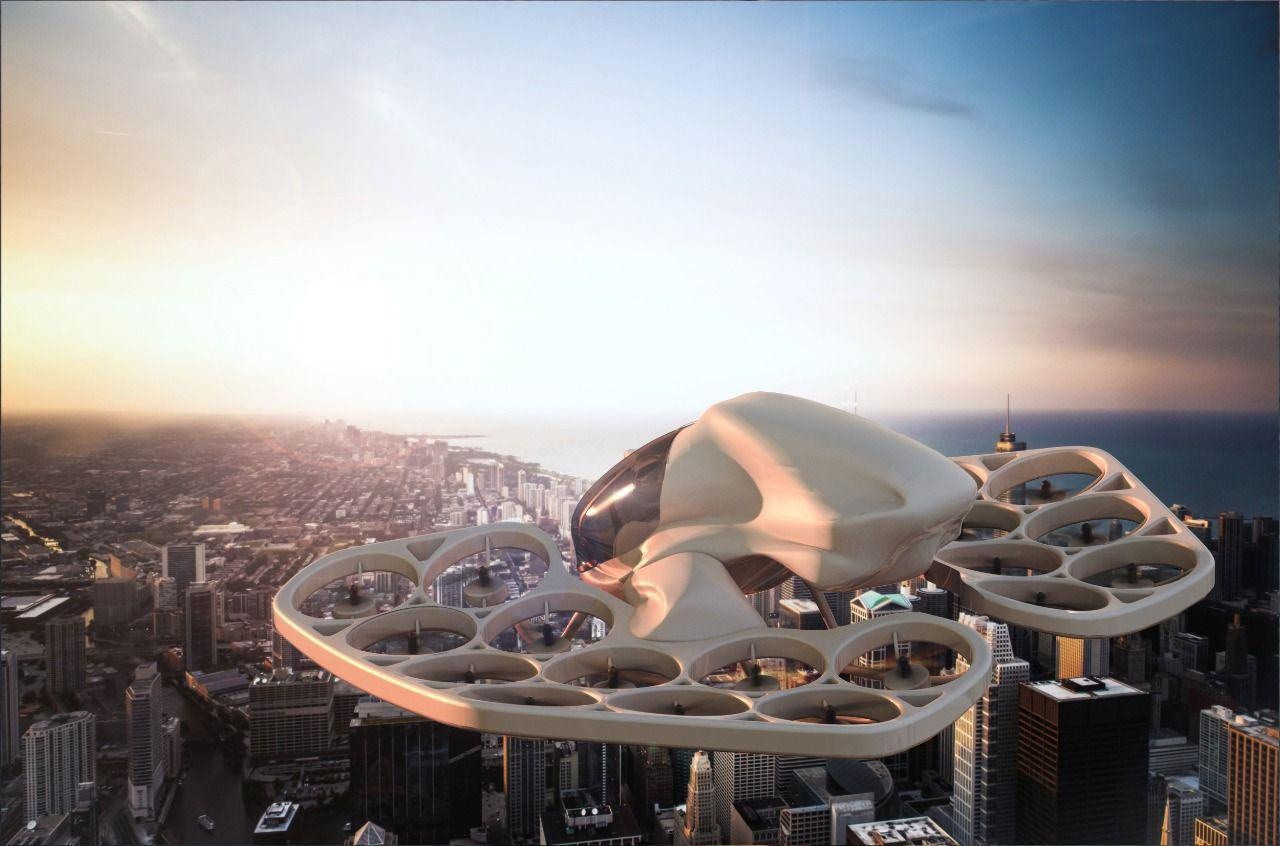
In line with the new structural elements and ergonomic requirements.
Read →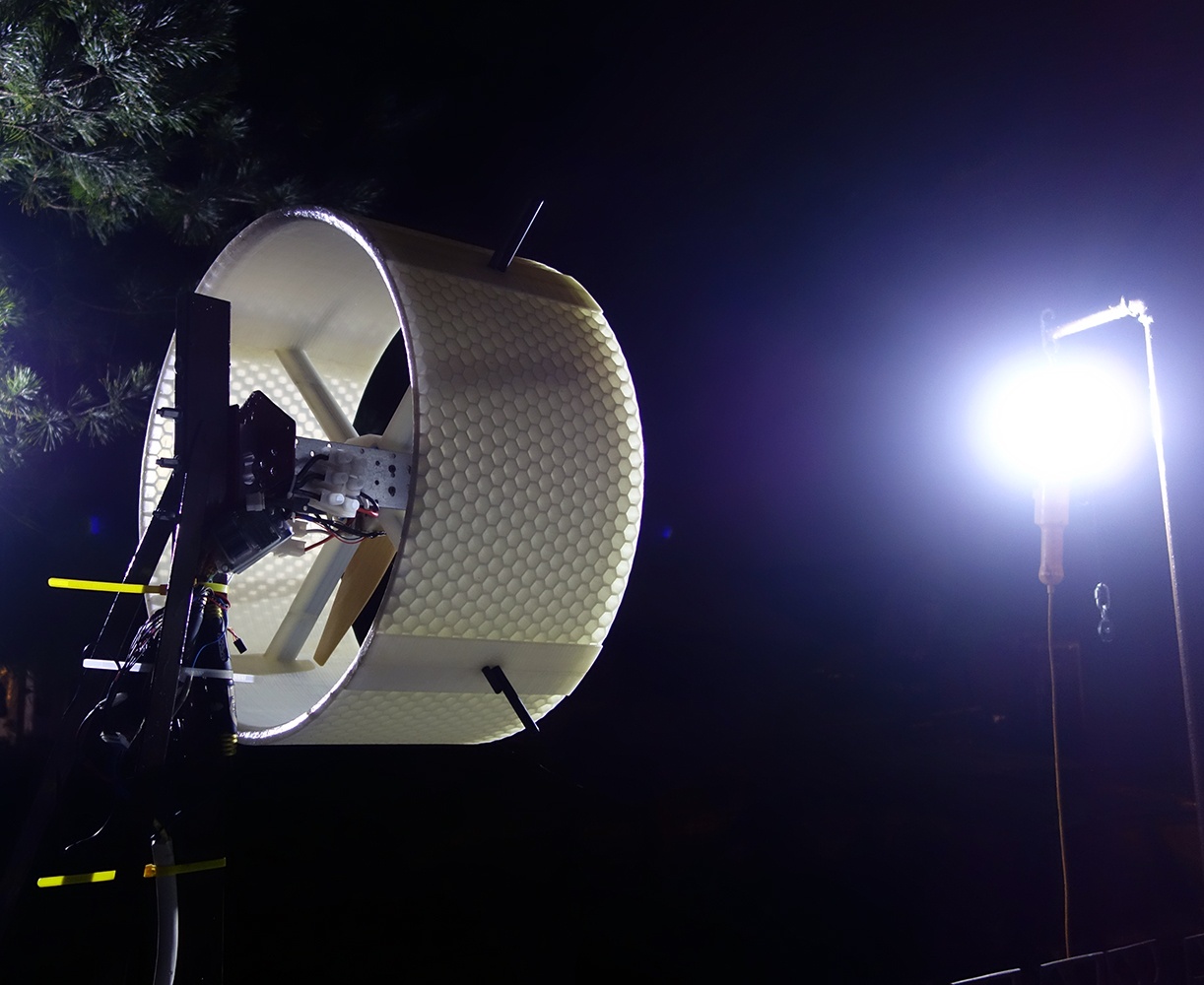
We proved that even under these conditions, a ducted coaxial configuration delivers a gain in thrust and efficiency.
Read →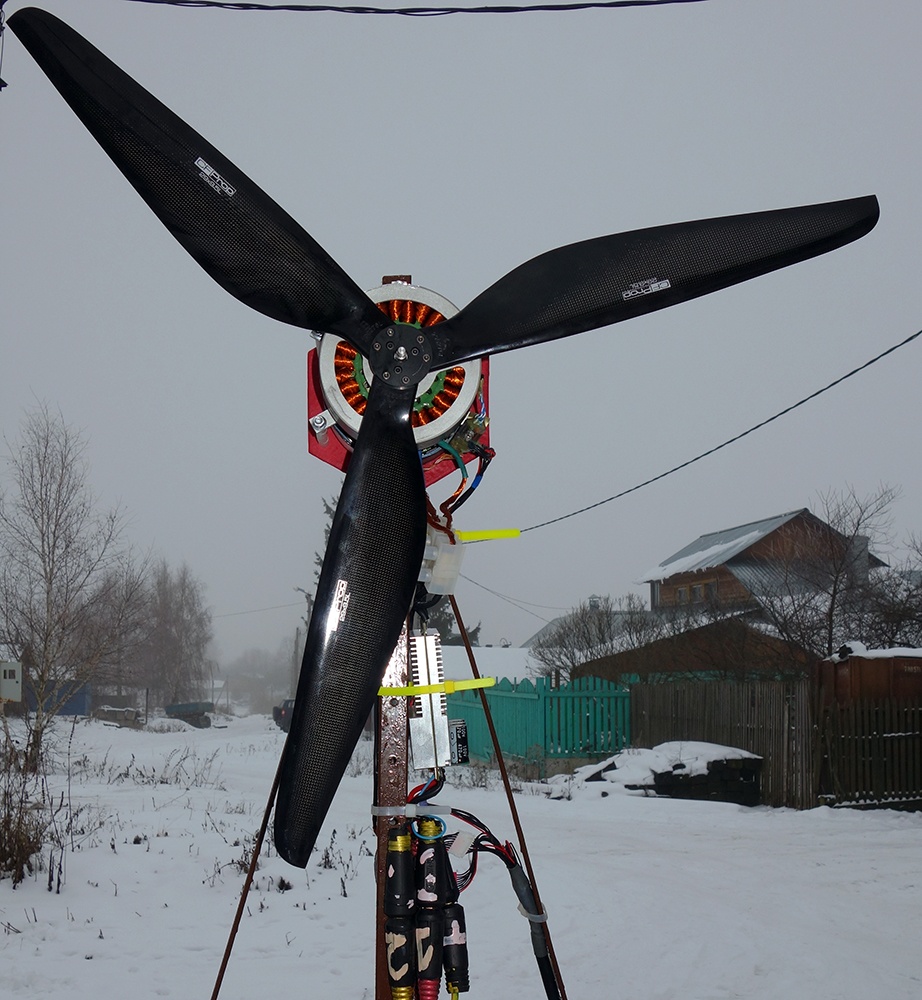
A successful test with a single propeller.
Read →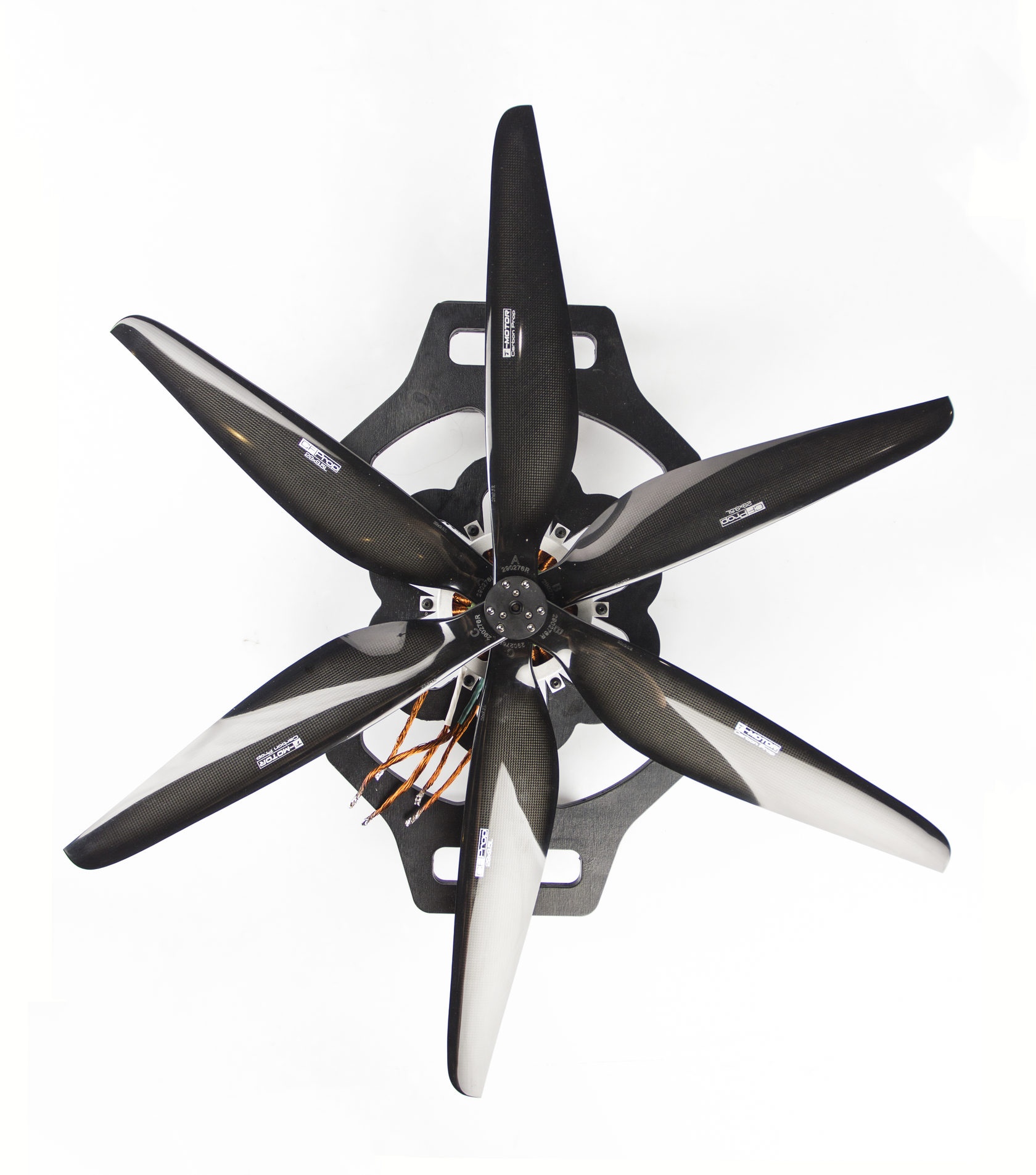
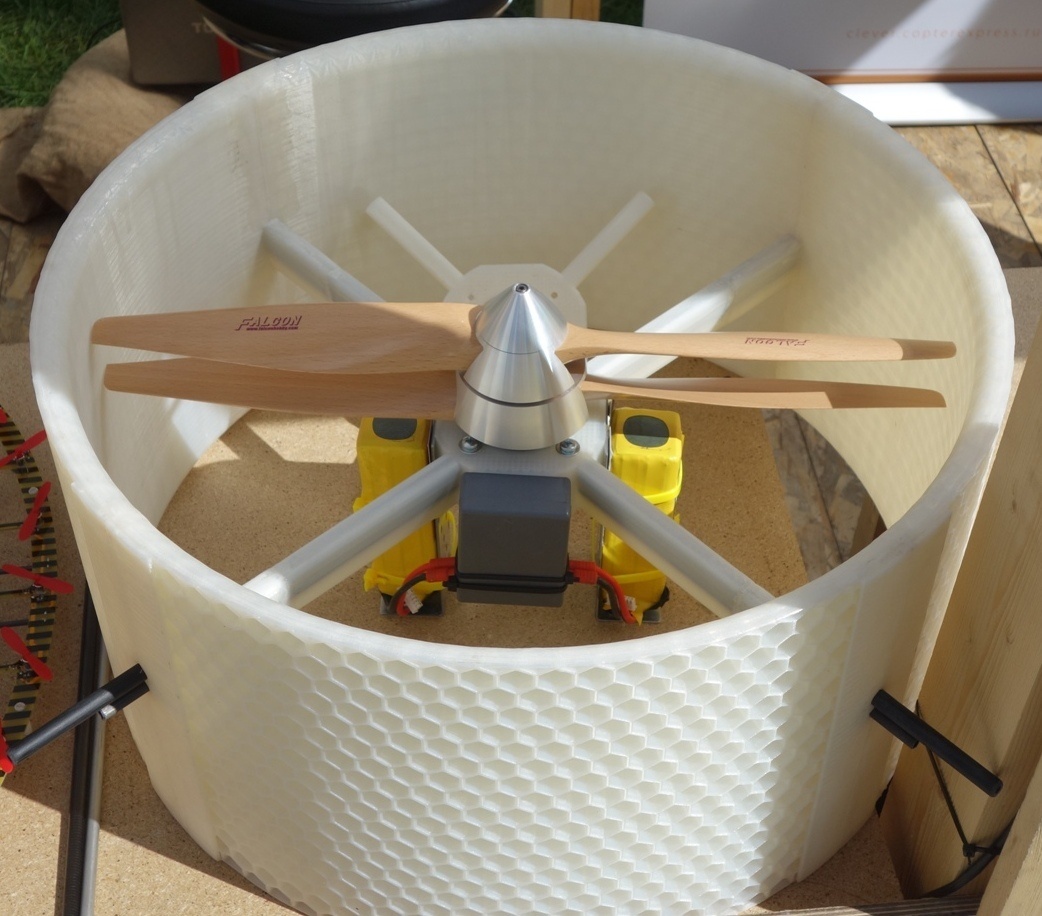
For testing ducted coaxial propellers.
Read →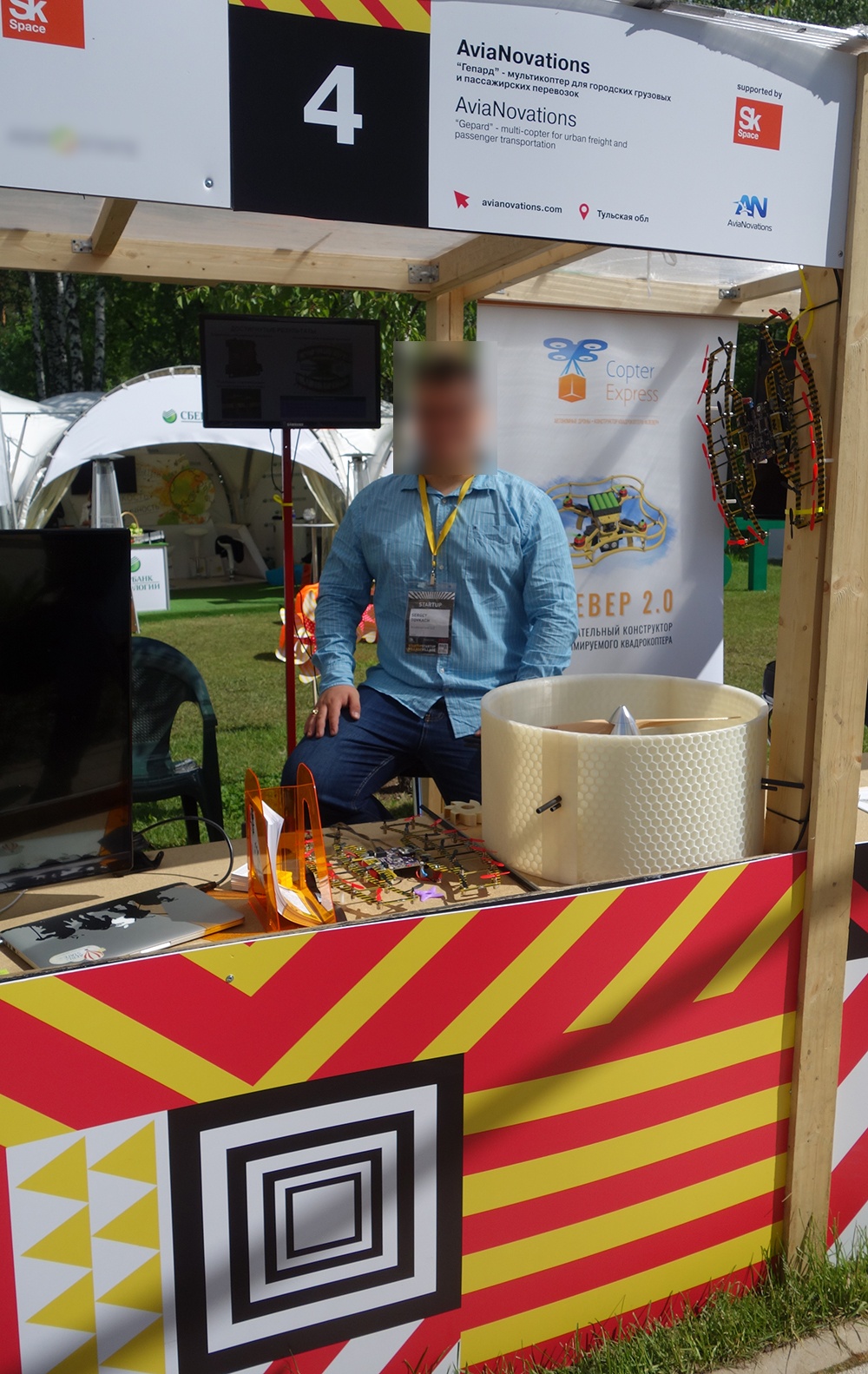
The Flyka team took part in the Startup Village 2017 conference.
Read →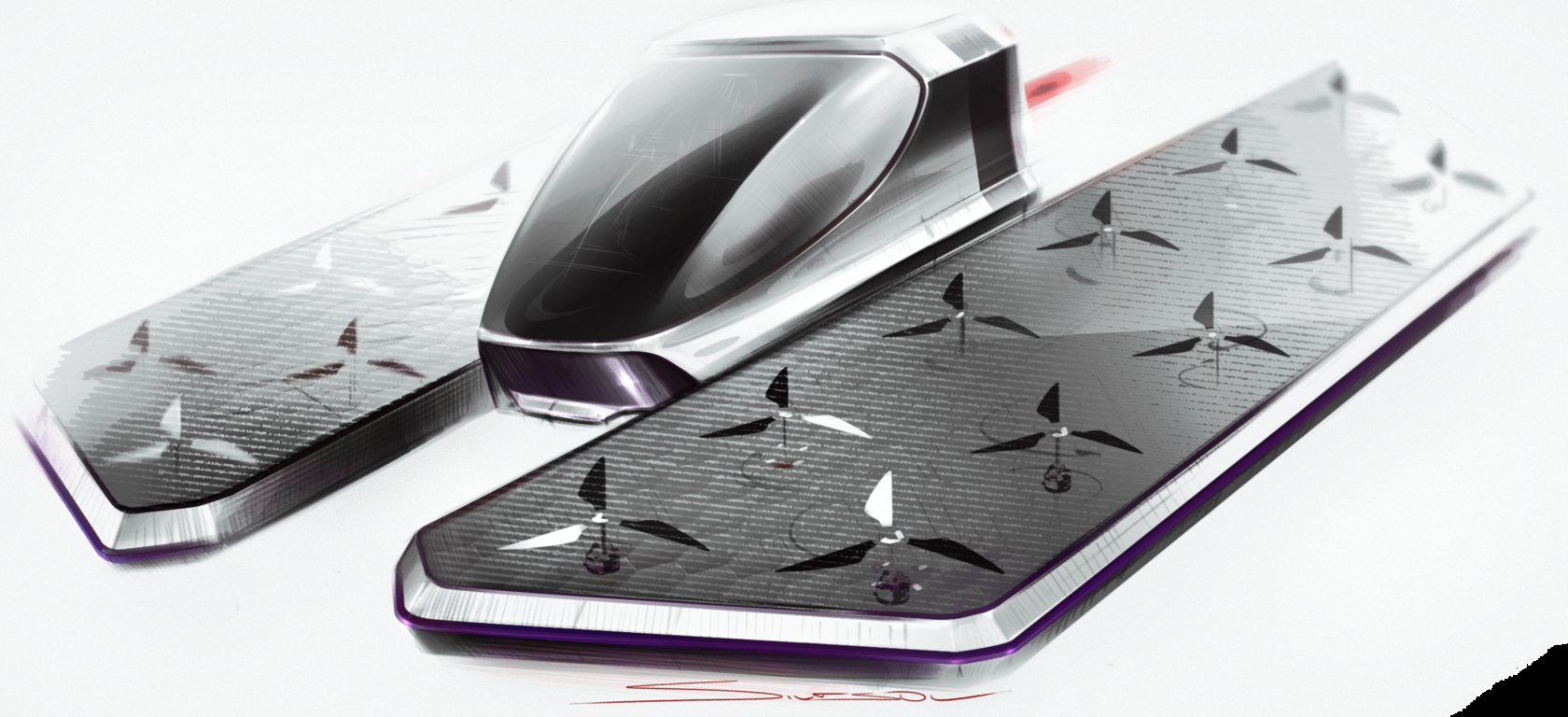
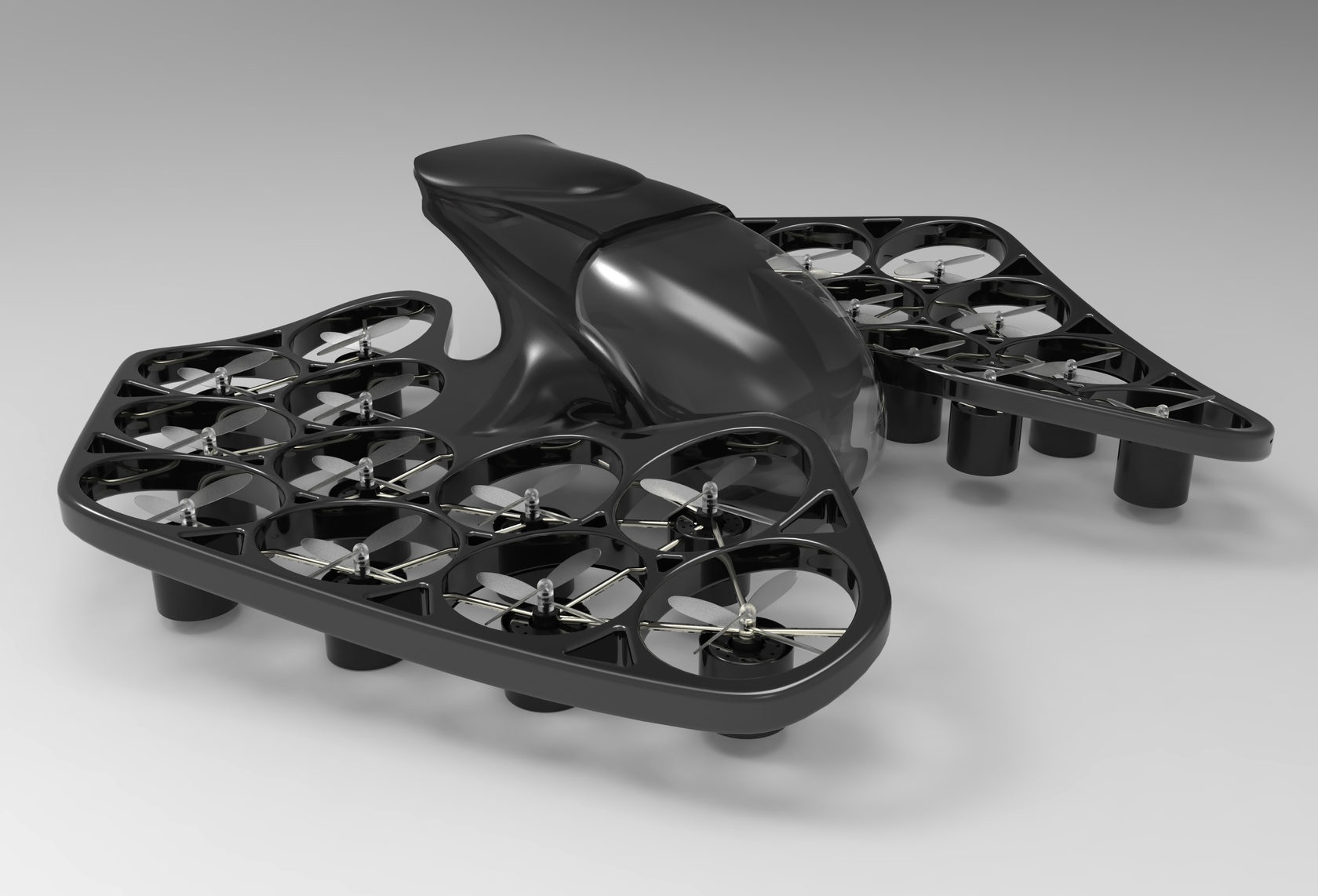
The propellers are protected by a single shared guard mesh.
Read →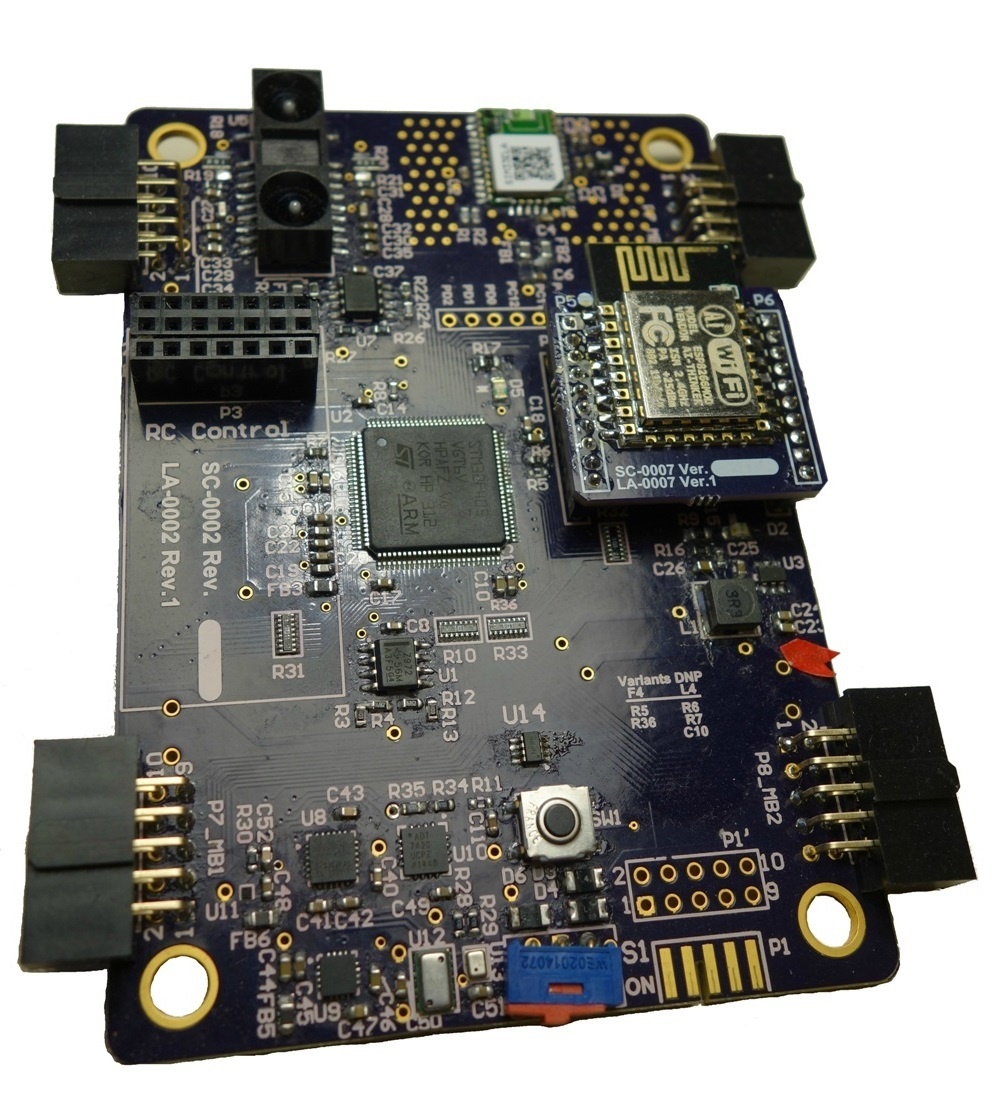
Nothing of the kind is made anywhere, neither in the hobby world nor in aviation.
Read →