01
Extremely safe VTOL
No dependent modules or systems. Full decentralization of every module. No mechanical parts — except bearings.

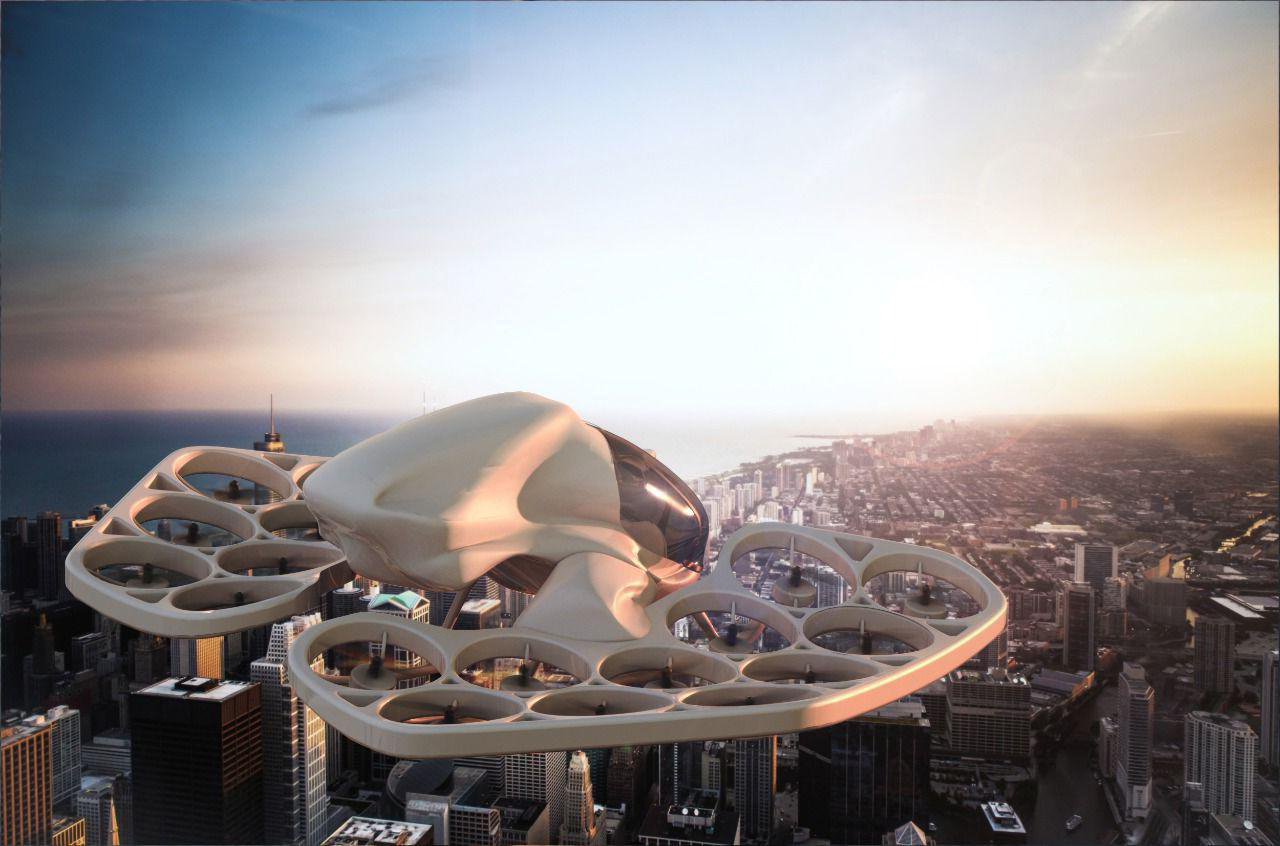
eVTOL aircraft — unmanned & safe.
A distributed-architecture electric aircraft. 22 independent motor units. Lose six, keep flying.
The Flyka F1 top-line envelope. A full-scale prototype is at 90% readiness; a sub-scale 1:10 prototype is already flying.
Conventional aircraft chase reliability by making each component better and more expensive. Flyka achieves it a different way — through massive redundancy.
No dependent modules or systems. Full decentralization of every module. No mechanical parts — except bearings.
Even if the aircraft loses 6 of its 22 motor units, it will still fly and remain fully under control.
Extremely low flight cost — about $16 per hour, varying with local energy prices.
Two national patents registered; two international patents registered and two more pending.
The cluster approach uses common components that are 20× cheaper than highly-priced aviation-standard parts.
Each independent motor unit contains its own controller, its own electric engine, and its own power source.
“We achieve safety through multiple redundancy — a distributed architecture — and full automation. This delivers the highest reliability at a much lower price, and it is our core competitive advantage.”
There is no central mechanical linkage. Knock units offline and watch the aircraft hold control.
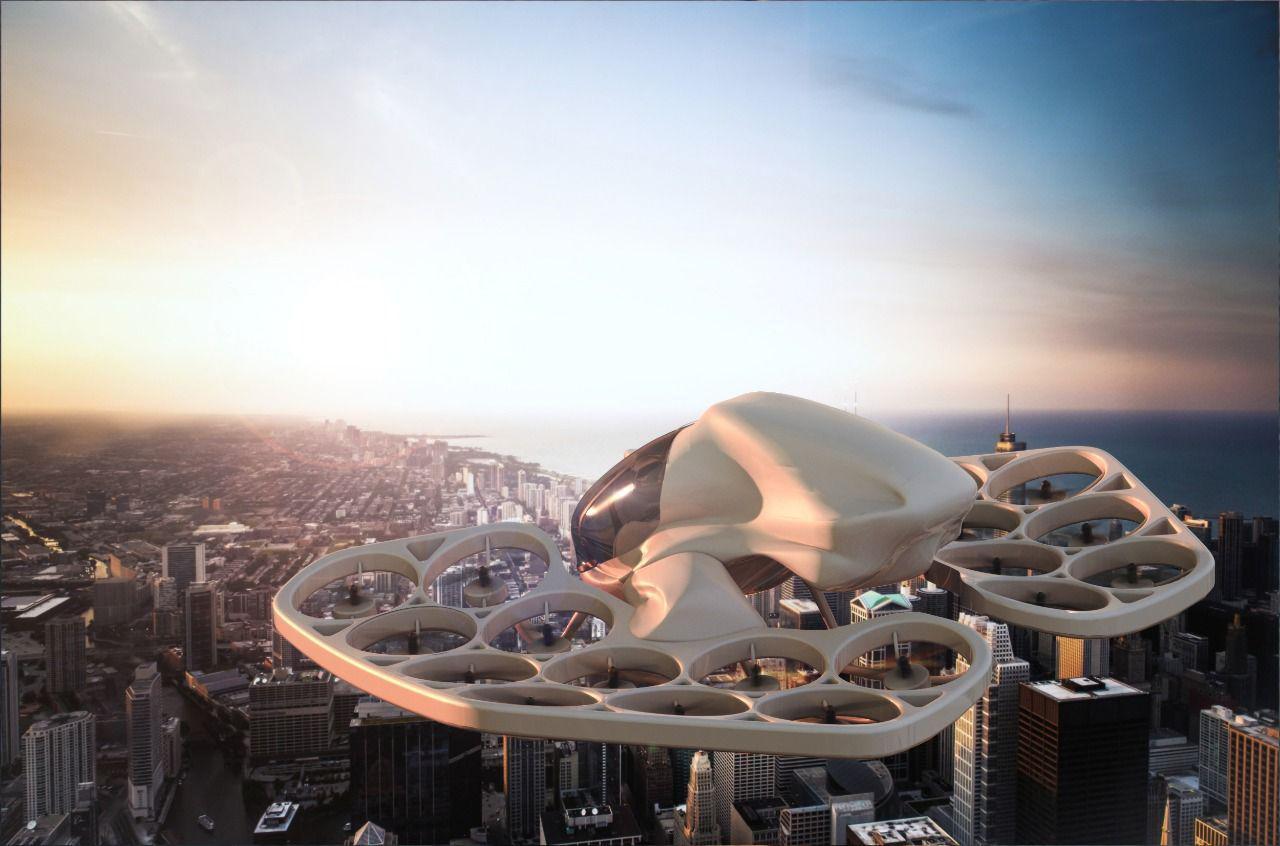
Flyka replaces a few large, expensive, single-point-of-failure aviation components with a cluster of 22 small, independent, identical motor units. Each is self-contained — its own controller, its own electric engine, its own power source.
No dependent modules. No central mechanical linkage. No mechanical parts except bearings. That is what makes losing six units a non-event.
Complete configuration sheet for the single-seat production-intent airframe.
| Seats | 1 |
|---|---|
| Dimensions — decomposed (W×L×H) | 5.4 × 4.2 × 1.6 m |
| Dimensions — folded (W×L×H) | 3.3 × 4.2 × 1.6 m |
| Range | 30 km (no load) / 20 km (max load) |
| Payload | 165 kg |
| Dry weight | 294 kg |
| Acceleration 0–100 km/h | 3 s |
| Flight cost per hour | ~$16 (varies with local energy prices) |
| Full charge | 154 kW |
| Power source | Li-Ion 590 Ah battery or Li-Po 440 Ah battery |
| Power density (cruise) | 7.27 kg/kW |
| Charging current limit | 86 A per battery · 740 A total |
| Minimal charging current | 6 A at 220 V AC · 15 A at 110 V AC |
We have already reached important milestones on the path to a production model in 2030.
What the analysts covering urban air mobility are saying about the opportunity.
In 1940, Henry Ford said: “Mark my words — a combination airplane and motorcar is coming.” Decades later, the same technologies that power drones and steer autonomous vehicles could launch flying cars from sci-fi into the skies of our cities.
Safety, economics, transportation demand, regulation and public acceptance are the key dependencies for this market to become viable.
The first models have taken off, though mass adoption is still far away — 100 projects globally, $500M invested.

Entrepreneur with 12+ years building high-tech companies and a mentor to founders. Partner at Fanaura VC; former founder and CEO of Denimax (telecom) and Ritm-Z.
10+ years in drone technology and aerial innovation, with expertise spanning mechanics, aerodynamics and electronics — setting Flyka's standards for performance and reliability.
Program updates as we advance toward serial flight. Full press feed launching soon.
Turning toward the large model and the road to serial production in 2030.
Pre-production flight hours climb — redundancy holds up under real use.
Assembling the traceable evidence a certification path is built from.
Investors, partners, and future pilots — send a note through the form and we'll get back to you.
Investor relations — Flyka is developed by Axelion Technologies Inc. Data room and the full investor package are available on request via the enquiry form.